




China Bond Market Shift Gives PBOC Wider Easing Options
China's growing reliance on bond financing gives the PBOC a more powerful channel to lower borrowing costs across the economy, reducing dependence on loan-based tools.
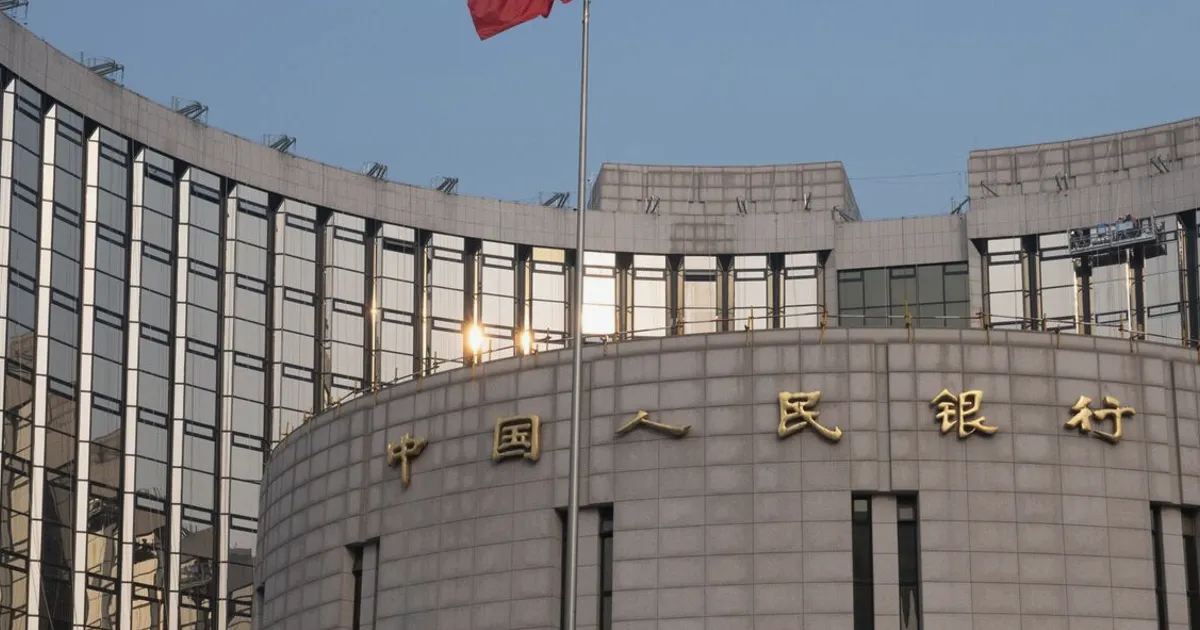
China's bond market is playing an increasingly dominant role in corporate and government financing, shifting the central bank's toolkit toward bond-based easing. The People's Bank of China (PBOC) now has a broader channel to influence borrowing costs across the economy as credit flows increasingly through debt securities rather than traditional bank loans.
This structural shift matters for interest rate traders because it changes how monetary policy transmits to the real economy. When the PBOC cuts policy rates or conducts open market operations, the impact on bond yields directly affects a larger share of total credit. Historically, China's economy relied heavily on bank lending, making loan prime rate (LPR) adjustments the primary tool. Now, with bond financing accounting for a growing portion of total social financing, yield curve management becomes more potent. For traders tracking China's rates, the PBOC's ability to influence longer-duration yields via bond purchases or yield curve control adds a new dimension to policy expectations. Real-time yield quotes on NowPrice can help monitor these shifts.
Looking ahead, market participants will watch for further PBOC signals on bond market interventions, such as potential yield curve targets or increased open market bond purchases. The upcoming third-quarter monetary policy report and any adjustments to the medium-term lending facility (MLF) rate will be key. A sustained tilt toward bond-based easing could compress term premiums and steepen the curve if the PBOC focuses on short-end cuts. Traders should also monitor credit spread dynamics as the bond market's role expands, potentially narrowing the gap between corporate and government debt yields.