




China Bond Sale Squeezes Yuan Liquidity in Hong Kong
Strong demand for China's offshore yuan bonds is tightening liquidity in Hong Kong, pushing funding costs to a two-month high as quarter-end cash demand surges.
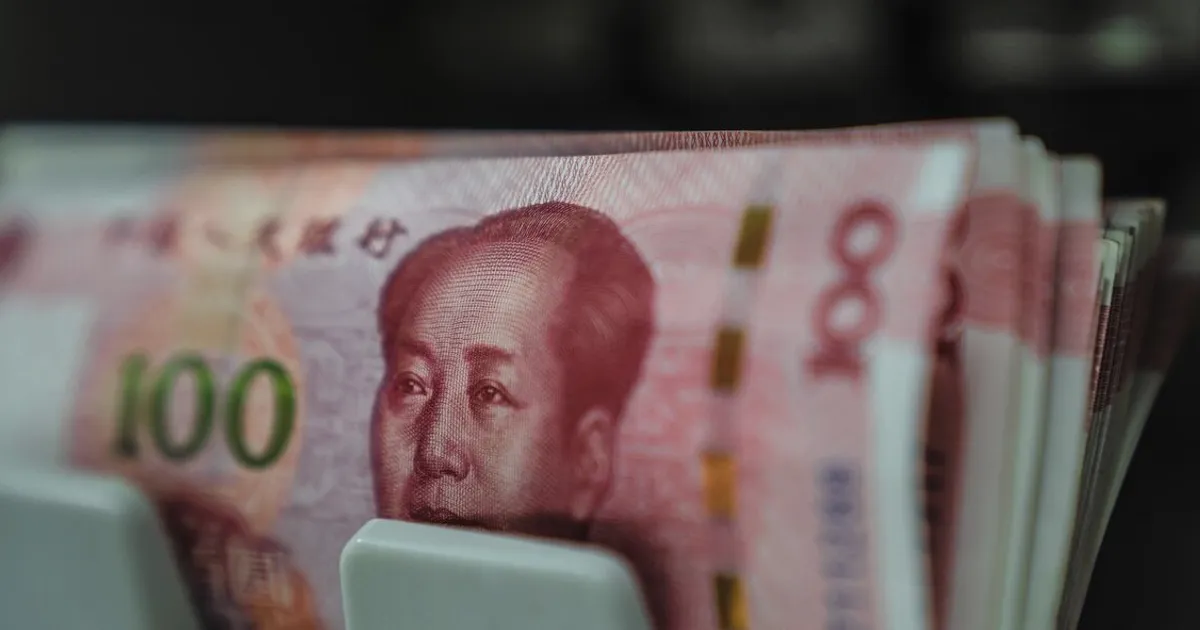
China's offshore yuan bond sale has attracted robust appetite, exacerbating a quarter-end liquidity squeeze in Hong Kong and sending funding costs to a two-month high. The strong demand for the bonds, issued by China's Ministry of Finance, is absorbing yuan liquidity from the offshore market at a time when seasonal cash demand is already elevated.
For traders focused on interest rates and central bank policy, this development highlights the interplay between sovereign bond issuance and offshore funding conditions. The People's Bank of China (PBOC) has been managing yuan liquidity through its daily fixing and open market operations, but the offshore market in Hong Kong is more sensitive to supply-demand imbalances. The spike in Hong Kong Interbank Offered Rate (HIBOR) for yuan reflects tighter conditions, which could influence the PBOC's stance on cross-border capital flows. NowPrice shows real-time rates and charts for yuan funding costs, allowing traders to monitor the evolving squeeze.
Looking ahead, market participants will watch for any PBOC intervention to ease offshore liquidity, such as increasing the quota for the Bond Connect scheme or conducting repo operations. The quarter-end window dressing by banks may further strain conditions. Additionally, the upcoming maturity of existing bonds could provide some relief. Traders should also monitor the spread between onshore and offshore yuan rates, as a widening gap may signal persistent stress.