




ECB's Lane Warns Inflation Still in Pipeline Despite Iran Deal
ECB Chief Economist Philip Lane warned that inflation from the Middle East conflict is still working its way through the pipeline, even after a reported Iran deal, signaling the ECB must remain vigilant.
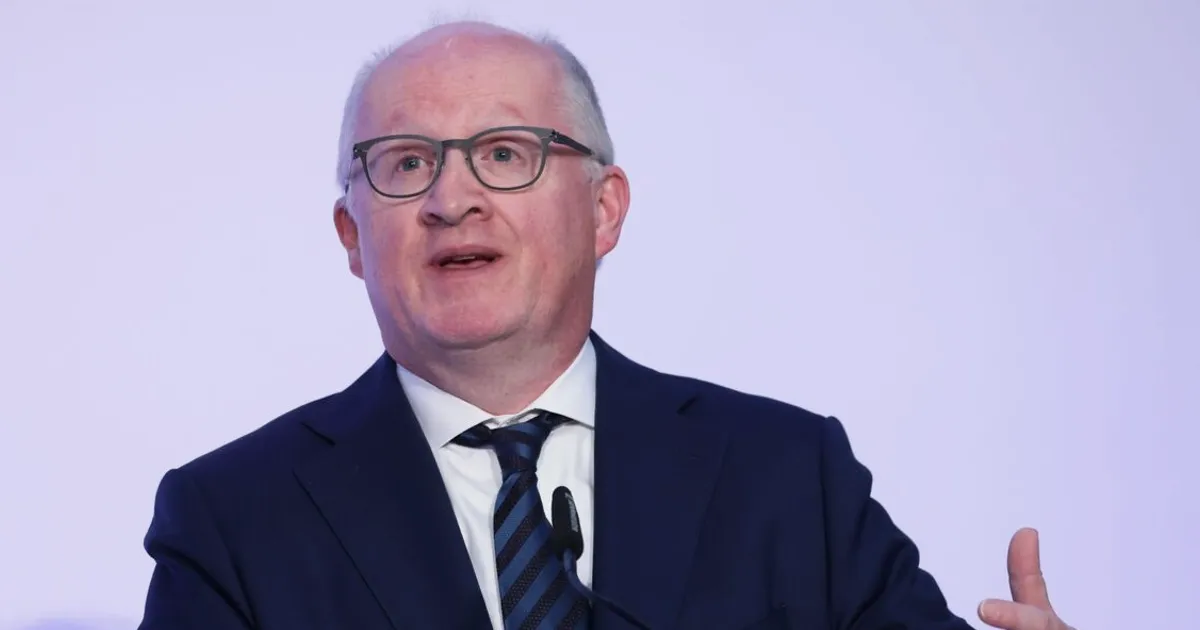
European Central Bank Chief Economist Philip Lane said inflation pressures stemming from the Middle East conflict are still working their way through the economic pipeline, even after a reported deal with Iran. Speaking at an event in Frankfurt, Lane emphasized that the transmission of higher energy costs and supply disruptions to consumer prices takes time, and the full impact may not yet be visible in headline data. The ECB's cautious stance reflects its dual mandate to maintain price stability while supporting economic growth, with the conflict adding uncertainty to an already complex inflation outlook shaped by past energy shocks and lingering supply-chain bottlenecks.
For interest-rate traders, Lane's comments reinforce the likelihood that the ECB will hold rates steady or proceed cautiously with any easing, as pipeline inflation could materialize in coming months. The conflict has disrupted energy supplies and trade routes, pushing up input costs that may eventually feed into consumer prices. This dynamic is reminiscent of the yield-curve inversion seen in past energy crises, where short-term rates rise on inflation fears while long-term rates stay anchored by growth concerns. The ECB's balance-sheet reduction, through quantitative tightening, further complicates the transmission of monetary policy, as it drains liquidity and widens swap spreads. Traders can monitor real-time rate expectations on NowPrice's live dashboard to gauge market pricing of ECB policy moves, including the term premium embedded in long-dated bonds.
Looking ahead, markets will focus on upcoming euro-area inflation data and ECB speeches for further clues. The central bank's September meeting will be key, with any signs of persistent pipeline inflation potentially delaying rate cuts. Traders should also watch oil prices and geopolitical developments in the Middle East for additional inflationary signals. The ECB's Transmission Protection Instrument (TPI) remains a backstop against unwarranted bond-market fragmentation, but its activation would signal severe stress. A sustained rise in energy costs could also widen the divergence between US and euro-area rate expectations, as the Fed faces its own inflation challenges under its dual mandate. Any escalation in the conflict may force the ECB to reassess its policy path, with implications for the euro and European bond yields.