




Egypt Asset Sales Unlock Path to $1.6 Billion IMF Funding
Egypt's state-asset sales have met IMF review targets, unlocking about $1.6 billion in financing for an economy hit by regional conflict.
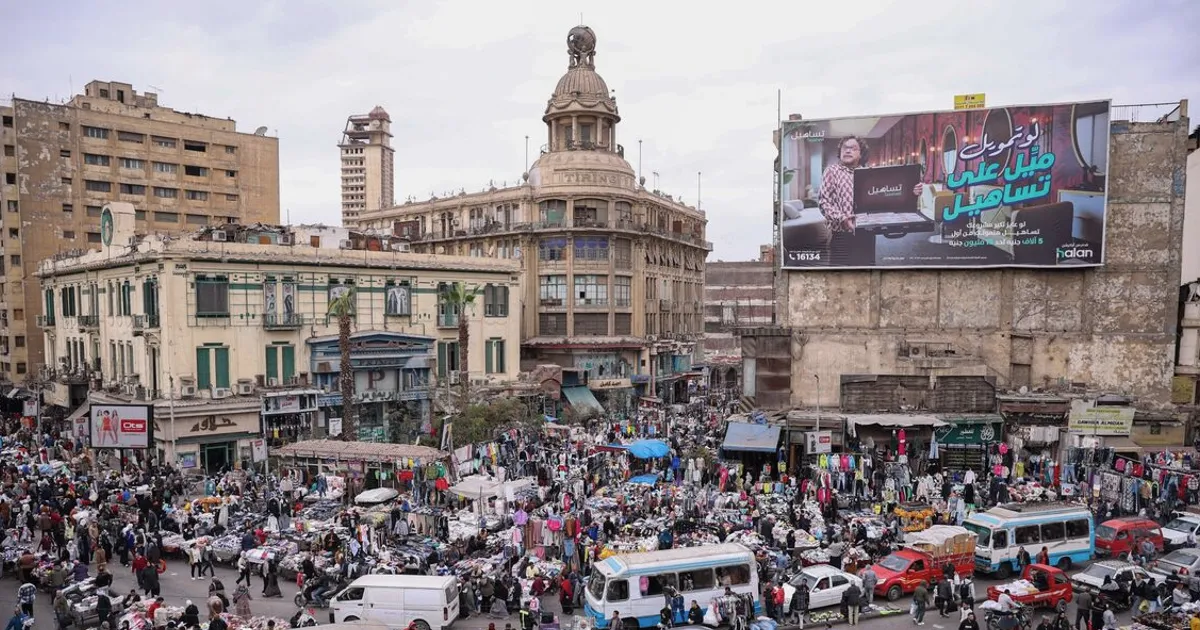
Egypt has satisfied the targets of an International Monetary Fund review through recent state-asset sales, according to people familiar with the matter, easing the path to unlock about $1.6 billion in financing. The move provides a lifeline for an economy buffeted by the ongoing Iran war, which has disrupted trade routes and tourism. The IMF's review process involves assessing a country's progress on agreed-upon reforms, and Egypt's asset sales demonstrate a commitment to reducing the state's footprint in the economy—a key condition for the fund's disbursement. This development comes as Egypt faces a severe foreign currency shortage, with the war in Iran exacerbating existing pressures from global supply chain disruptions and reduced tourism revenues. The $1.6 billion tranche is part of a larger $8 billion IMF program approved in 2022, which aims to support Egypt's economic stabilization and reform agenda.
For central bank policy watchers, the IMF funding reduces near-term balance-of-payments pressure, potentially stabilizing the Egyptian pound and easing the need for aggressive rate hikes. The Egyptian central bank has already raised interest rates by 800 basis points since early 2022 to combat inflation and defend the currency, but the IMF funding could allow for a more gradual tightening cycle going forward. Live rates and charts on NowPrice show how the currency and bond markets are reacting to the news. The asset sales also signal to investors that Egypt is serious about structural reforms, which could attract additional foreign direct investment and portfolio inflows. In the broader context of emerging markets, Egypt's progress may serve as a template for other countries facing similar balance-of-payments challenges, especially those affected by geopolitical shocks. The IMF's endorsement also helps lower the risk premium on Egyptian assets, potentially reducing borrowing costs for the government.
Looking ahead, the next IMF review will focus on fiscal consolidation and inflation control. Traders should monitor Egypt's foreign reserves and the central bank's next policy decision, as the funding may allow for a more gradual tightening cycle. Key indicators to watch include the pace of inflation, which remains above 30%, and the central bank's ability to maintain a flexible exchange rate regime. The success of this review also sets a precedent for other emerging markets navigating similar geopolitical shocks, such as those in the Middle East and North Africa region. Additionally, the IMF's continued engagement with Egypt will be crucial for ensuring that the reforms are sustained, particularly in areas like state-owned enterprise governance and subsidy reform. For now, the asset sales have provided a critical boost to Egypt's credibility with international creditors, but the path ahead remains challenging given the ongoing war and its spillover effects on the global economy.