




El Niño Threat Looms Over Sugar Prices as Inflation Pressures Build
A potential El Niño weather pattern is expected to add upward pressure on sugar prices, compounding existing inflation from tariffs, drought, and reduced cattle herds, according to Citi strategists.
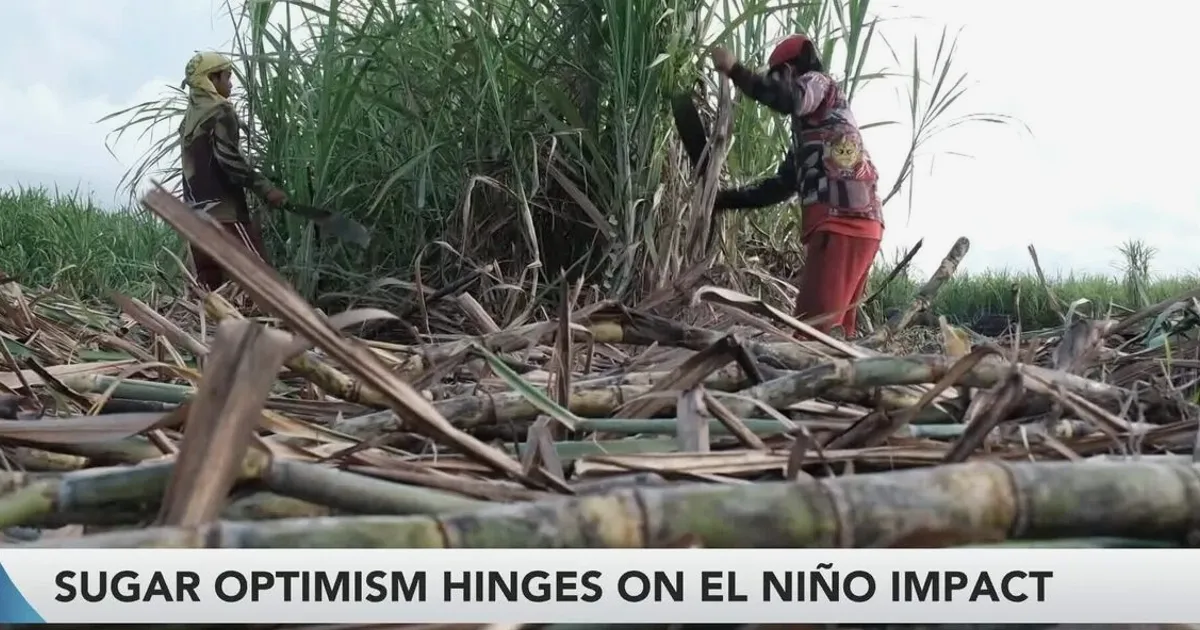
A potential El Niño weather pattern is expected to add upward pressure on sugar prices, compounding existing inflationary pressures from tariffs, drought, and reduced cattle herds, according to Citi commodities strategist Arkady Gevorkyan.
El Niño, a climate phenomenon characterized by warming of Pacific Ocean waters, can disrupt agricultural production in key growing regions. For sugar, major producers like Brazil and India are particularly vulnerable to weather extremes. The prospect of reduced supply due to adverse weather comes at a time when grocery prices in the US have already risen at the fastest pace in nearly four years, driven by a combination of factors including bad weather, tariffs, and a dwindling cattle herd. The impact of the Iran war and potential El Niño are expected to add to these pressures into 2027. For traders monitoring interest rates and central bank policy, sustained commodity price increases could feed into broader inflation measures, potentially influencing the pace of rate cuts by the Federal Reserve and other central banks. Live rates and charts on NowPrice show how sugar futures and related agricultural commodities are reacting to these developments.
Looking ahead, market participants will focus on weather forecasts for key sugar-producing regions, particularly in Brazil and India. Any confirmation of El Niño conditions could lead to further price volatility. Additionally, the path of US tariffs and geopolitical developments, including the Iran situation, will be critical in shaping the inflation outlook. Traders should monitor upcoming USDA reports and central bank communications for clues on how policymakers are assessing these supply-side risks.