




What Could Drive the Fed to Hike Rates This Year
The Fed, led by Kevin Warsh, is preparing a possible pivot to tighter policy later this month, raising the question of what could trigger a rate hike this year.
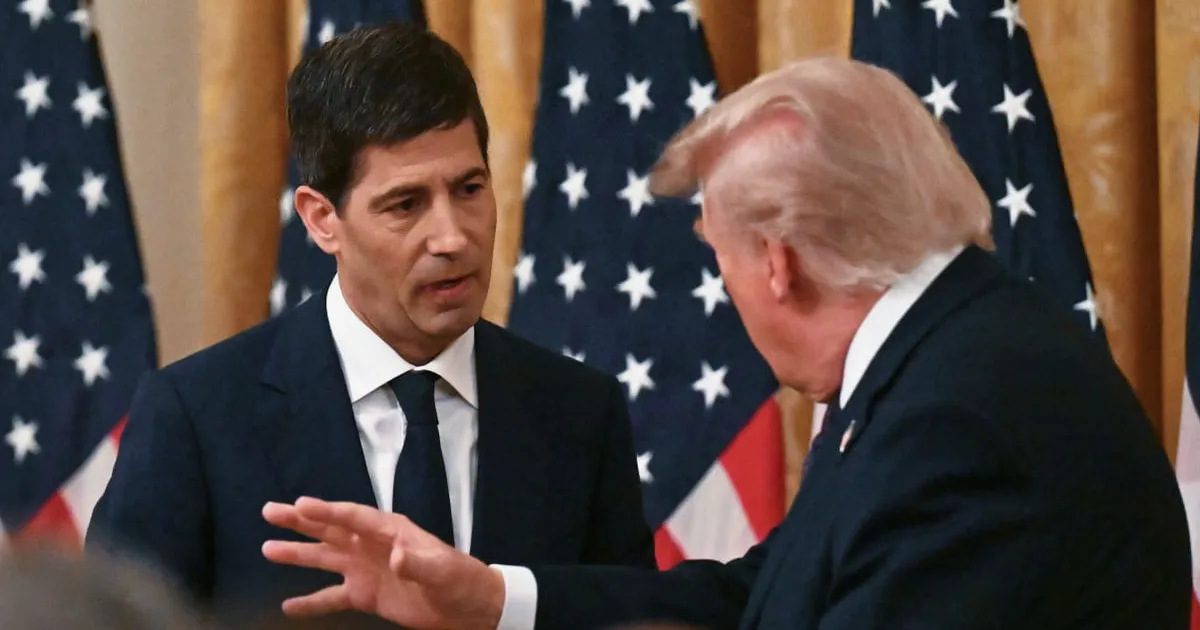
The Federal Reserve, under the leadership of Kevin Warsh, is gearing up for a potential shift toward tighter monetary policy later this month. This development has sparked debate among market participants about the conditions that could lead to a rate hike in 2026, a scenario many had considered unlikely given the current economic backdrop.
The Fed's dual mandate of maximum employment and price stability remains the cornerstone of its policy decisions. A sustained rise in inflation above the 2% target, driven by factors such as robust consumer spending, supply chain disruptions, or fiscal stimulus, could force the central bank to act. Additionally, a tight labor market with accelerating wage growth might add to inflationary pressures, prompting a hawkish response. The yield curve, which has been inverted for an extended period, could steepen if the market prices in rate hikes, reflecting changing expectations. Traders should monitor the Fed's communication for any shift in forward guidance, as well as key data releases like the Consumer Price Index and employment reports. The NowPrice rates page offers real-time tracking of Treasury yields and fed funds futures, providing essential context for these developments.
Looking ahead, the Fed's upcoming meeting will be closely watched for any hints of a policy pivot. Market participants will focus on the dot plot projections and Chair Warsh's press conference for clues on the timing and magnitude of potential rate moves. The path of inflation and labor market dynamics will be critical in shaping the Fed's decision. Any surprise in the data could trigger significant volatility in rate markets, making it essential for traders to stay informed.