




Gold Rises as Iran Deal Hopes Ease Inflation Worries
Gold prices advanced as signs of a US-Iran deal to reopen the Strait of Hormuz tempered inflation expectations, reducing safe-haven demand for the dollar and boosting bullion.
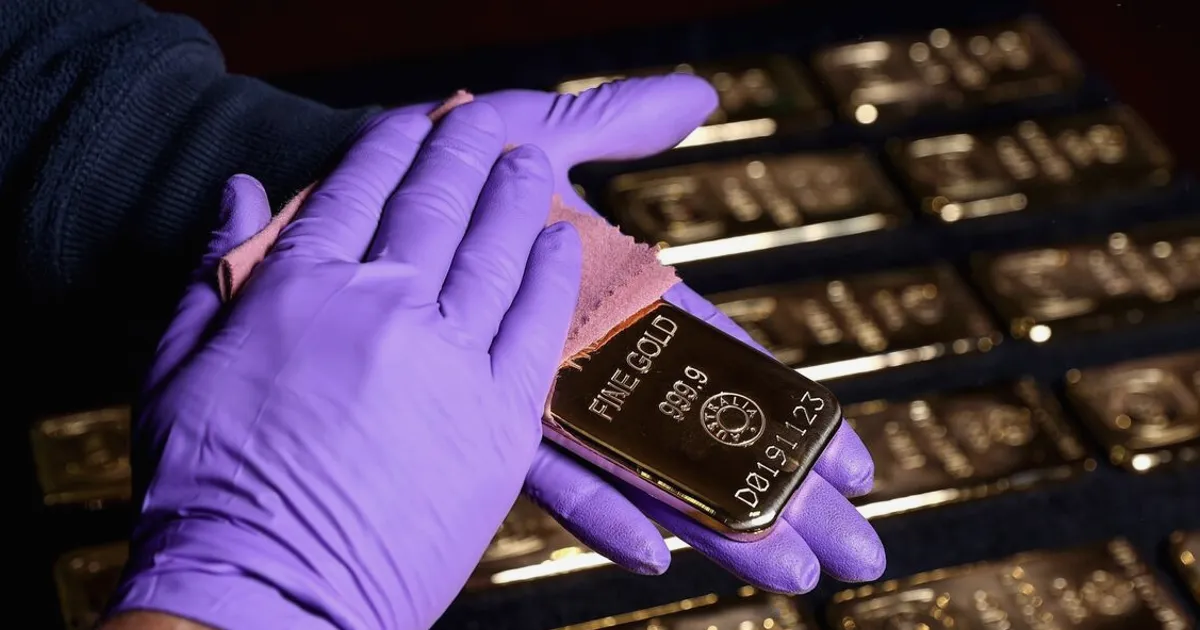
Gold prices rose on Monday as signs that the US and Iran were nearing a deal to reopen the Strait of Hormuz tempered inflation concerns, boosting demand for the precious metal. The yellow metal gained as traders priced in a lower risk of sustained energy-driven inflation, which would reduce the urgency for central banks to tighten policy. On NowPrice, live gold prices and charts show the market reacting to these geopolitical developments in real time, with spot gold climbing toward recent resistance levels.
The prospect of increased oil supply from the region could lower energy costs, reducing inflationary pressures and potentially slowing the pace of central bank rate hikes. Lower inflation expectations typically weigh on real yields, making non-yielding assets like gold more attractive. This dynamic is rooted in the Federal Reserve's dual mandate of price stability and maximum employment: if inflation cools, the Fed may ease off its tightening cycle, which would compress real yields and support gold. Additionally, a potential reopening of the Strait of Hormuz could alleviate supply bottlenecks, flattening the yield curve and reducing term premiums that had been elevated due to geopolitical risk. The ECB's Transmission Protection Instrument (TPI) also stands ready to prevent unwarranted fragmentation, but a de-escalation in the Middle East would lower the need for such interventions, further supporting risk appetite and gold.
Traders should monitor official statements from both sides and any concrete steps toward reopening the strait. A confirmed deal could further depress inflation expectations and support gold, while a breakdown in talks might reverse the move. Key levels to watch include recent highs and support zones on gold charts. Also, watch swap spreads and balance-sheet runoff dynamics: a sustained decline in inflation expectations could lead to a steepening of the yield curve as the Fed pivots, which historically has been bullish for gold. Conversely, if talks stall, safe-haven flows could temporarily boost the dollar and weigh on gold. The next catalyst will be any official confirmation from Washington or Tehran, as well as weekly inventory data that may signal changes in oil supply.