




Gold Slips as US Strikes in Strait of Hormuz Fuel Inflation Fears
Gold prices slipped after US military strikes in the Strait of Hormuz raised doubts about Iran nuclear talks and kept inflation risks elevated, supporting a hawkish central bank outlook.
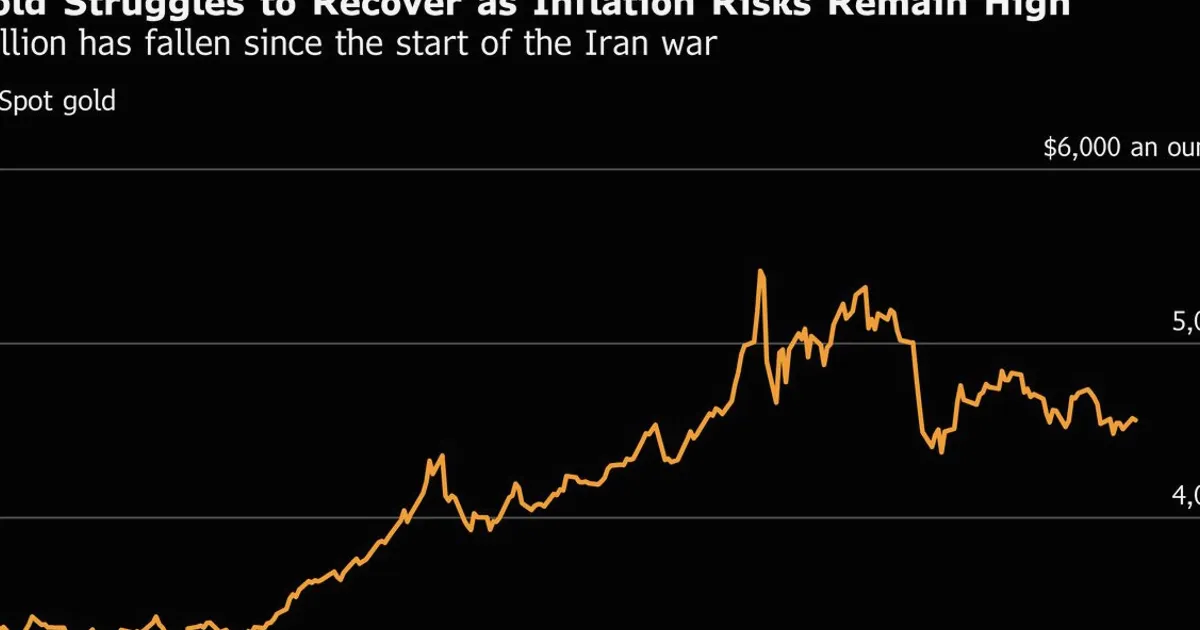
Gold prices slipped as US military strikes in the Strait of Hormuz tempered optimism over the progress of talks to unlock the critical waterway, keeping inflation risks elevated. The geopolitical development weighed on risk sentiment and boosted demand for safe-haven assets like the US dollar, putting pressure on gold.
For interest rate and central bank policy traders, the escalation in the Strait of Hormuz is significant because it threatens to disrupt oil shipments through one of the world's most important chokepoints. A sustained disruption could push energy prices higher, adding to inflationary pressures that central banks are already battling. This could reinforce the hawkish stance of major central banks, including the Federal Reserve, as they seek to contain price pressures. Higher-for-longer interest rates typically reduce the appeal of non-yielding assets like gold. Live rates prices and charts on NowPrice show how the market is reacting to these developments in real time.
Traders should watch for any further military developments in the region, as well as official statements from Iran and the US regarding the status of nuclear talks. Additionally, key inflation data releases, such as the US Consumer Price Index, will be closely monitored for signs of how geopolitical risks are feeding through to prices. The next Federal Reserve meeting minutes could also provide clues on how policymakers are weighing these risks against their inflation and employment mandates.