




Goldman Sachs Cuts Gold Target $500 on No Fed Rate Cuts
Goldman Sachs slashed its year-end gold price forecast by $500 per ounce, citing the Federal Reserve's revised outlook with no rate cuts expected in 2026.
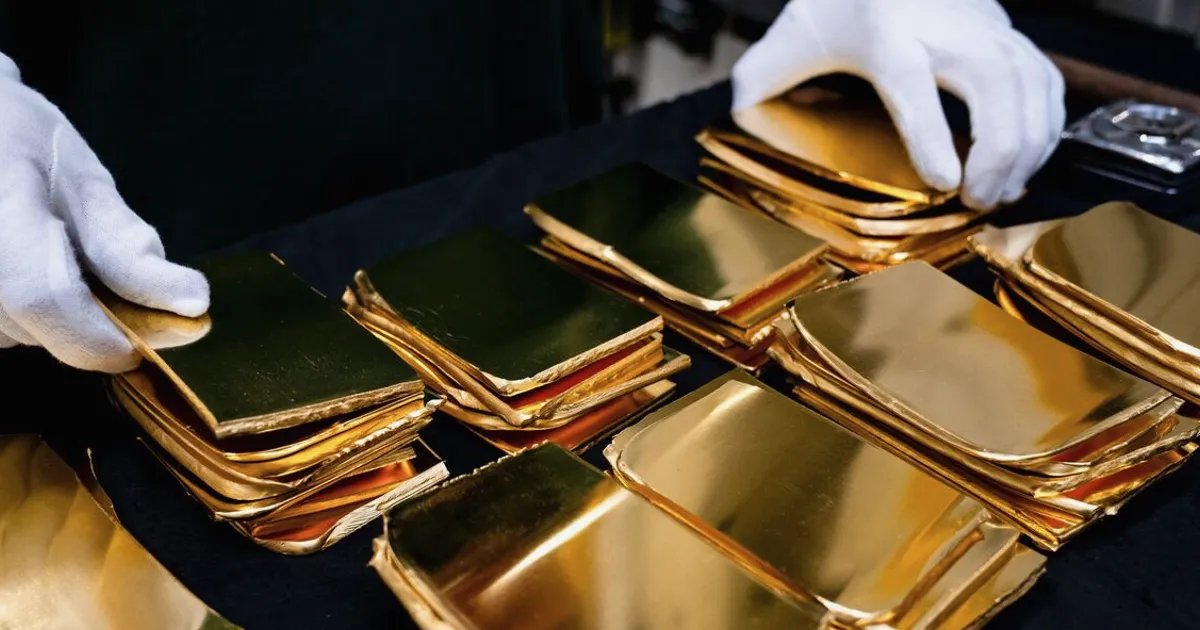
Goldman Sachs Group Inc. has cut its year-end gold price forecast by $500 an ounce, a sharp revision driven by the Federal Reserve's updated outlook that now excludes any rate cuts in 2026.
The investment bank's move reflects a fundamental reassessment of the gold market's key driver: real interest rates. Gold, which pays no yield, typically faces headwinds when the opportunity cost of holding it rises. This dynamic is rooted in the Fed's dual mandate of maximum employment and price stability, which currently prioritizes inflation control. With the Fed now expected to keep rates elevated through the year, the dollar-denominated metal loses its appeal as a hedge against monetary easing. The $500 reduction is one of the most aggressive target adjustments by a major Wall Street bank in recent memory, signaling a decisive shift in consensus. The revision also highlights the impact of yield-curve inversion, where short-term rates exceed long-term rates, compressing term premiums and reducing gold's attractiveness as a long-duration asset. Additionally, the Fed's balance-sheet runoff (quantitative tightening) has tightened financial conditions, further pressuring gold. Traders can check NowPrice's rates page for the latest Fed funds futures pricing and real yield levels to gauge market expectations.
Looking ahead, the gold market will focus on upcoming US inflation data and Fed speeches for any hints of policy flexibility. If economic growth slows more than anticipated, rate cut expectations could re-emerge, potentially reversing some of the recent bearish sentiment. Key levels to watch include support near $1,800 and resistance at $2,000, as the metal adjusts to the new rate environment. The European Central Bank's transmission protection mechanism (TPI) could also influence global rate dynamics, indirectly affecting gold. Swap spreads and term-premium decomposition will be critical for assessing real yield trajectories, while any signs of a pivot in Fed rhetoric could trigger a sharp reversal in gold's fortunes.