




IMF Chief Meets Venezuelan Officials on Economic Stability
IMF Managing Director Kristalina Georgieva held talks with Venezuelan economic official Calixto Ortega in Washington, marking the first in-person meeting since the fund resumed formal engagement with Venezuela last month.
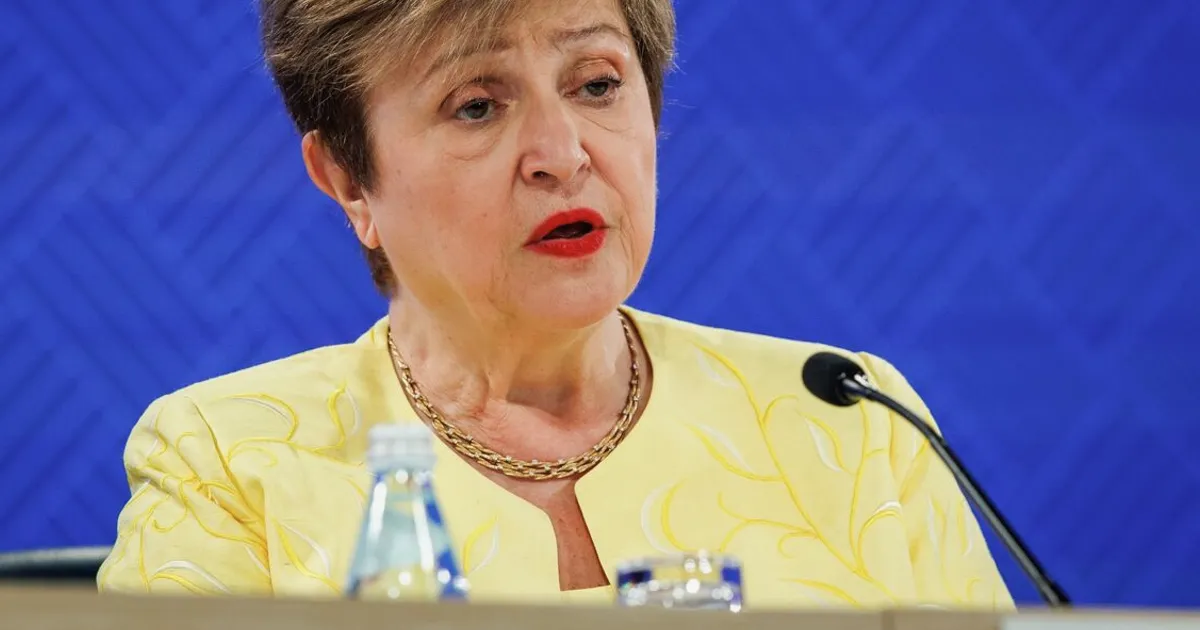
International Monetary Fund Managing Director Kristalina Georgieva met with Venezuelan economic official Calixto Ortega in Washington for talks on economic stability. This was the first in-person meeting between the IMF chief and Venezuelan authorities since the fund resumed formal engagement with the country last month. The IMF, operating under its dual mandate to promote global monetary cooperation and financial stability, typically engages with member countries to address balance-of-payments problems and macroeconomic imbalances. For Venezuela, which has been in a prolonged economic crisis marked by hyperinflation and severe output contraction, such engagement is a critical step toward potential financial assistance.
The meeting signals a potential thaw in relations between Venezuela and international financial institutions. For central bank policy traders, renewed IMF engagement could pave the way for technical assistance and potential financing programs, which may influence Venezuela's macroeconomic outlook and debt restructuring prospects. The IMF's involvement often brings conditions that can affect fiscal and monetary policy frameworks, impacting inflation expectations and currency stability. In the broader context of global rates, such developments can interact with yield-curve dynamics—for instance, a credible reform program might reduce sovereign risk premiums, flattening the yield curve if long-term borrowing costs decline relative to short-term rates. Conversely, uncertainty could steepen the curve. Additionally, the IMF's balance-sheet operations, including its lending capacity and special drawing rights allocations, play a role in global liquidity conditions. The ECB's transmission protection instrument, designed to prevent unwarranted fragmentation in euro-area bond markets, is less directly relevant here but underscores how central banks globally manage spillovers from sovereign stress. Check NowPrice's rates page for current pricing on Venezuelan bond yields and related instruments.
Market participants will watch for any concrete outcomes from these talks, including possible IMF staff visits or technical missions. The next steps could involve discussions on economic data transparency and reform commitments, which are prerequisites for any formal IMF program. Traders should monitor statements from both sides for clues on the pace and scope of engagement. In the rates market, attention may also turn to swap spreads—the difference between swap rates and government bond yields—as a gauge of counterparty risk and liquidity conditions in Venezuela's debt market. A successful IMF program could narrow these spreads, while delays might widen them. Overall, the trajectory of these negotiations will be a key input for pricing Venezuelan risk and assessing broader emerging-market rate dynamics.