




Iran Peace Deal Could Ease US Inflation Pressures
A US-Iran peace deal, if sustained, suggests the worst of war-driven inflation may be over, though the economic outlook remains uncertain.
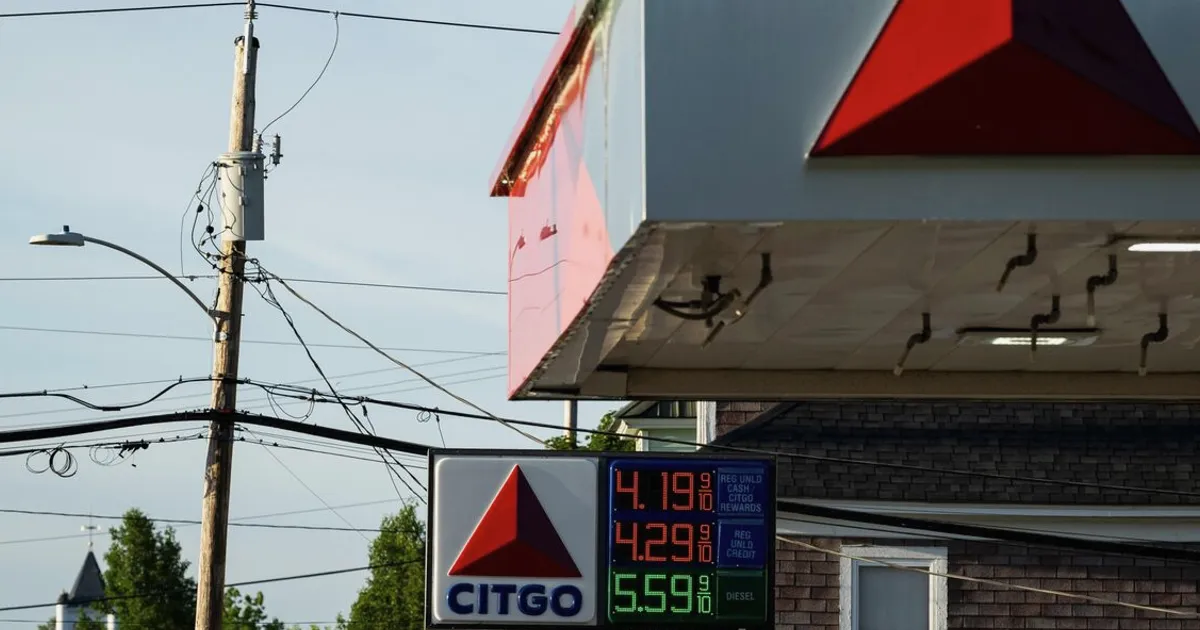
A potential peace agreement between the US and Iran, if it holds, could mark the end of the worst phase of war-driven inflation, according to a Bloomberg report. The deal, if sustained, would remove a key source of upward pressure on energy and commodity prices that have plagued global markets since the conflict escalated.
For interest rate and central bank policy traders, the implication is significant. A durable peace would likely reduce geopolitical risk premiums embedded in oil prices, potentially lowering headline inflation readings in the US and other major economies. This could give the Federal Reserve more room to ease monetary policy sooner than previously anticipated. Traders can monitor the evolving situation on NowPrice's live rates dashboard, tracking real-time moves in crude oil futures, breakeven inflation rates, and Treasury yields as market expectations adjust.
Looking ahead, the key question is whether the agreement holds and how quickly supply chains normalize. Traders should watch for official statements from both governments, as well as data on energy prices and consumer inflation expectations. Any signs of renewed tensions could reverse the recent easing in inflation fears, while a confirmed peace would reinforce the disinflationary trend and potentially reshape the Fed's rate path for the remainder of 2026.