




Kenya Inflation Hits 2-Year High on War-Driven Fuel Surge
Kenyan inflation accelerated to a more than two-year high in May, driven by a sharp increase in local fuel prices following the Iran war.
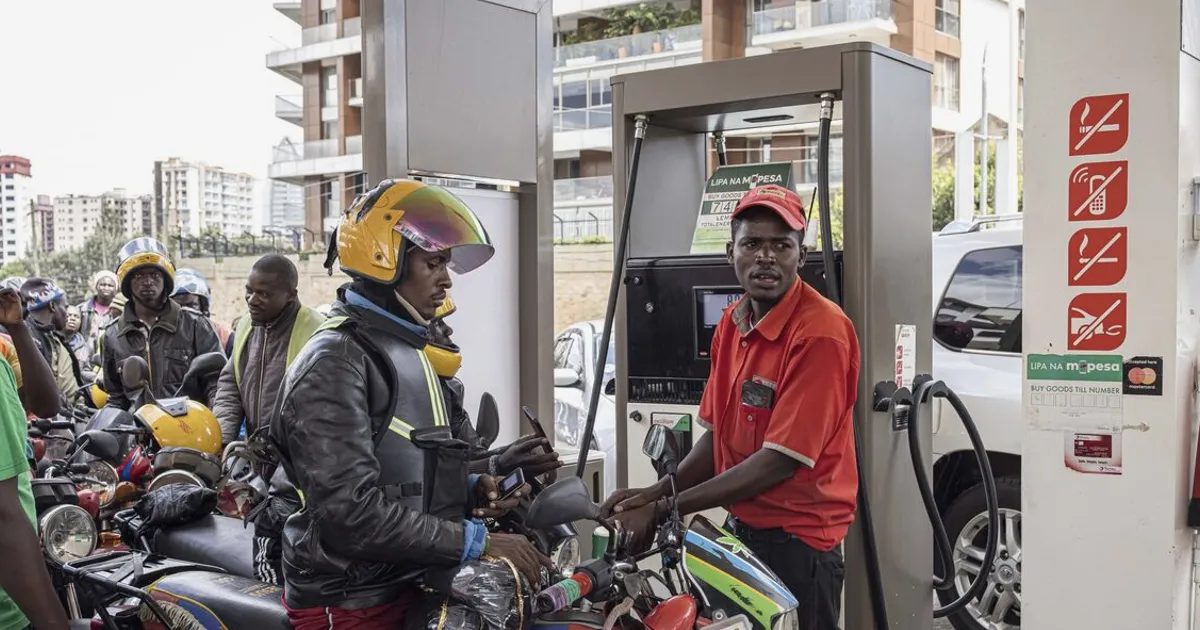
Kenyan inflation accelerated to a more than two-year high in May, driven by a sharp Iran-war induced increase in local fuel prices.
The headline inflation rate rose to 9.8% year-on-year in May, up from 7.5% in April, marking the highest level since early 2024. The surge was primarily attributed to a 25% jump in fuel prices, as global crude oil supply disruptions from the Iran conflict filtered through to domestic pump prices. Food prices also contributed, though to a lesser extent.
For interest rate traders, the inflation spike raises the probability that the Central Bank of Kenya (CBK) will resume its tightening cycle at the next policy meeting. The CBK had paused rate hikes earlier this year after inflation moderated, but the war-driven fuel shock threatens to unanchor inflation expectations. Higher Kenyan rates would widen the yield differential with developed markets, potentially attracting foreign portfolio inflows into local bonds. Traders can monitor real-time Kenyan shilling and bond yield quotes on NowPrice for the latest market reactions.
Looking ahead, the key data point will be the CBK's monetary policy decision scheduled for late June. Markets will also watch for any fiscal measures from the government to cushion the fuel price impact, such as tax cuts or subsidies. Additionally, the trajectory of global crude oil prices and developments in the Iran conflict will remain critical for Kenya's inflation outlook. If fuel prices persist at elevated levels, inflation could stay above the CBK's target range for an extended period, forcing further policy action.