




New Zealand Food Prices Rise 1.0% in May, NZD Sees Limited Reaction
New Zealand's food price inflation accelerated to 1.0% month-on-month in May 2026, up from flat in April, though the NZD showed only a muted response.
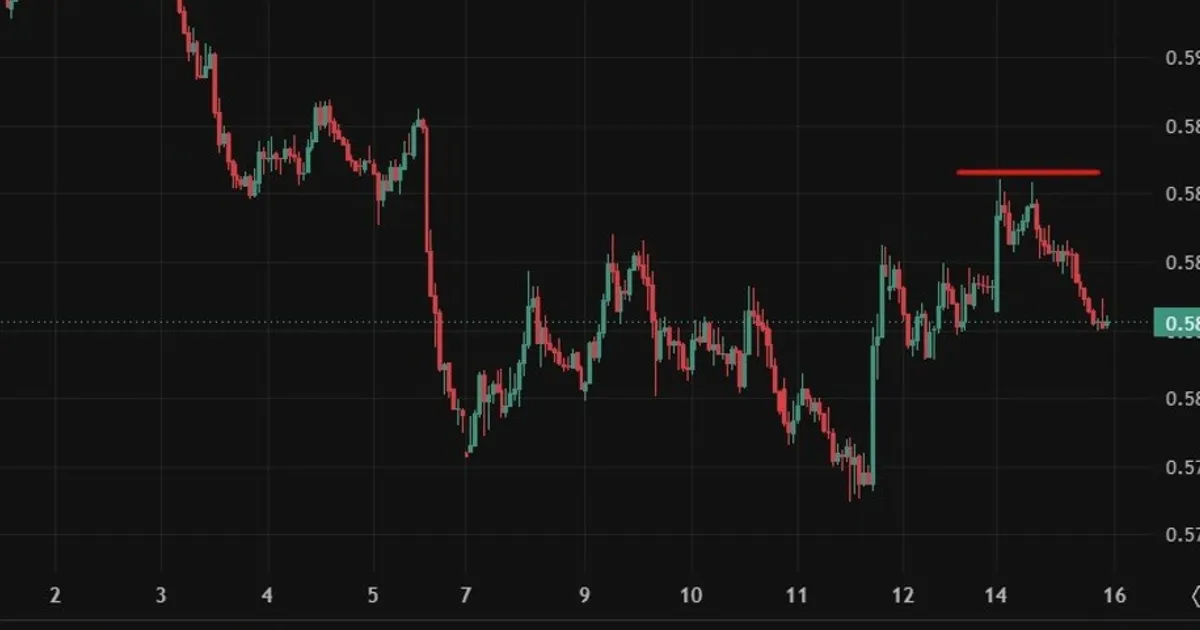
New Zealand's food price inflation rose 1.0% month-on-month in May 2026, rebounding from a flat reading in April. On an annual basis, food prices increased 3.2%. The data, released by Statistics New Zealand, showed broad-based gains across most food categories, with fruit and vegetables leading the increase. This monthly acceleration contrasts with the prior flat reading, highlighting the volatility in food costs that can complicate central bank assessments.
For traders focused on interest rates and central bank policy, food price inflation is a key component of the Reserve Bank of New Zealand's (RBNZ) inflation assessment. While the monthly acceleration is notable, the muted NZD reaction suggests the market views this as a single data point rather than a shift in the inflation trend. The RBNZ has been navigating a delicate balance between controlling inflation and supporting economic growth, similar to the Fed's dual mandate of price stability and maximum employment. Food prices remain volatile due to seasonal and global supply factors, and their impact on core inflation is closely monitored. In bond markets, yield-curve dynamics—such as inversion or steepening—reflect expectations for future rate moves, while term-premium decomposition helps separate investor demand for duration from rate-path uncertainty. The RBNZ's balance-sheet operations, including quantitative tightening, also influence long-term yields and swap spreads, which gauge interbank lending conditions. Live rates and charts on NowPrice show how the NZD is trading against major counterparts in real time.
Looking ahead, traders will watch the next CPI release for a broader inflation picture. The RBNZ's next policy decision is scheduled for August, and any sustained pickup in food prices could influence the timing of future rate adjustments. Global commodity prices and weather patterns affecting New Zealand's agricultural output will also be key drivers to monitor. Additionally, developments in global central bank policies—such as the ECB's transmission protection instrument—can affect risk sentiment and capital flows, indirectly impacting NZD and local rates. Traders should also track inflation expectations surveys and labor market data for further clues on the RBNZ's path.