




Oil Price Drop May Reduce Central Bank Hawkishness, Citi Says
Citigroup Global Markets suggests that falling oil prices could reduce hawkish bias among central banks, potentially easing monetary policy pressures.
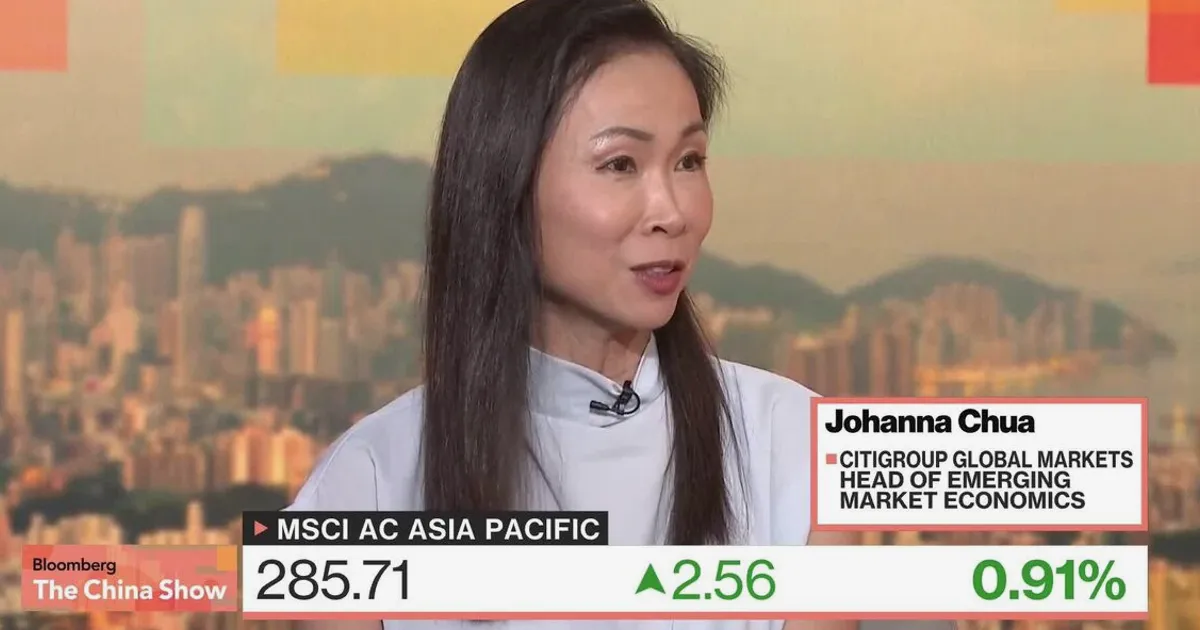
Citigroup Global Markets has indicated that the recent decline in oil prices could remove some of the hawkish bias from central banks, potentially altering the trajectory of monetary policy. The observation, made by strategist Johanna Chua, highlights the interplay between energy costs and inflation expectations, a key factor for rate-setters worldwide. Lower oil prices reduce headline inflation directly, which can ease pressure on central banks that are balancing their dual mandates of price stability and maximum employment. For instance, the Federal Reserve has emphasized data dependence, and a sustained drop in energy costs could slow the pace of disinflation progress, allowing for a more patient approach to rate cuts. Similarly, the European Central Bank, which has faced persistent core inflation, might see a reduction in imported energy costs as a tailwind for its transmission protection mechanism, potentially reducing the need for aggressive tightening.
For interest rate and central bank policy traders, lower oil prices feed directly into inflation forecasts. A sustained drop reduces headline inflation, which may give central banks room to pause or slow the pace of rate hikes. This dynamic is particularly relevant for economies where energy imports weigh heavily on consumer prices. Traders should monitor how this shift influences forward guidance and rate path projections. The yield curve, which has been inverted for an extended period, could steepen if markets anticipate less restrictive policy, while term-premium decomposition may show reduced compensation for inflation risk. Additionally, swap spreads and balance-sheet impacts—such as reduced collateral demand for hedging—could reflect changing rate expectations. For current pricing on rate expectations, check NowPrice's rates page.
Looking ahead, the focus will be on upcoming inflation data and central bank communications. If oil prices remain subdued, markets may reassess the likelihood of further tightening. Key events include the next Fed meeting and ECB policy decision, where any dovish tilt could be amplified by the energy price backdrop. Traders should also watch for any revisions to central bank staff forecasts for inflation and growth. A sustained oil price decline might also influence the ECB's transmission protection instrument, as lower energy costs could reduce fragmentation risks in the euro area. Overall, the interplay between oil prices and central bank policy will remain a critical driver for rate markets in the coming weeks.