




PBOC Adviser Signals Potential Rate Cut This Year
A PBOC monetary policy committee member signaled a potential rate cut this year, reinforcing expectations of further easing to support China's economic recovery.
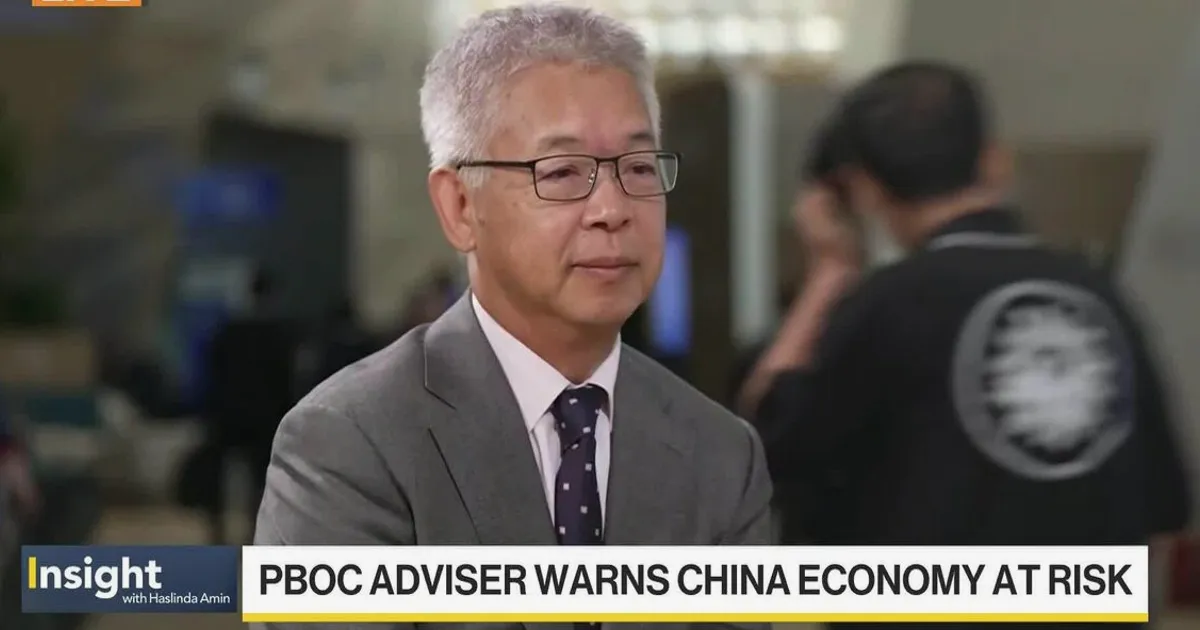
A member of the People's Bank of China's monetary policy committee has signaled that a rate cut is possible this year, adding to market speculation that Beijing will step up stimulus to revive a sluggish economy.
Huang Yiping, speaking on the sidelines of the World Economic Forum in Dalian, said he sees room for a rate reduction in 2026. The remarks come as China's economic recovery remains uneven, with weak consumer demand and a prolonged property downturn weighing on growth. A rate cut would lower borrowing costs for businesses and households, potentially boosting spending and investment. For traders tracking China's bond market, the signal reinforces expectations of further monetary easing, which could push yields lower and steepen the curve. In the broader context, such a move would contrast with the Federal Reserve's dual mandate of price stability and maximum employment, which has led to a tightening cycle in the U.S. The yield curve inversion in the U.S. has been a key recession signal, driven by term-premium decomposition and balance-sheet impacts from quantitative tightening. Meanwhile, swap spreads have widened, reflecting liquidity stress. In Europe, the ECB's transmission protection instrument (TPI) aims to prevent fragmentation during monetary tightening. NowPrice's real-time rates quotes show the latest movements in Chinese government bond yields.
Market participants will now watch for any follow-up from PBOC officials, including Governor Pan Gongsheng, who is scheduled to speak later this week. The timing and magnitude of any rate move will depend on upcoming economic data, including industrial production and retail sales figures. A cut could come as soon as the third quarter if growth momentum falters further. Analysts will also monitor how Chinese yields react relative to global benchmarks, as a divergence could impact capital flows and currency stability. The PBOC's balance sheet adjustments and liquidity operations will be key to managing the transmission of any rate cut to the real economy.