




Peru Bonds Dip as Presidential Election Too Close to Call
Peruvian bonds edged lower as the presidential election remains too close to call, with conservative Keiko Fujimori holding a narrow lead over leftist Roberto Sánchez.
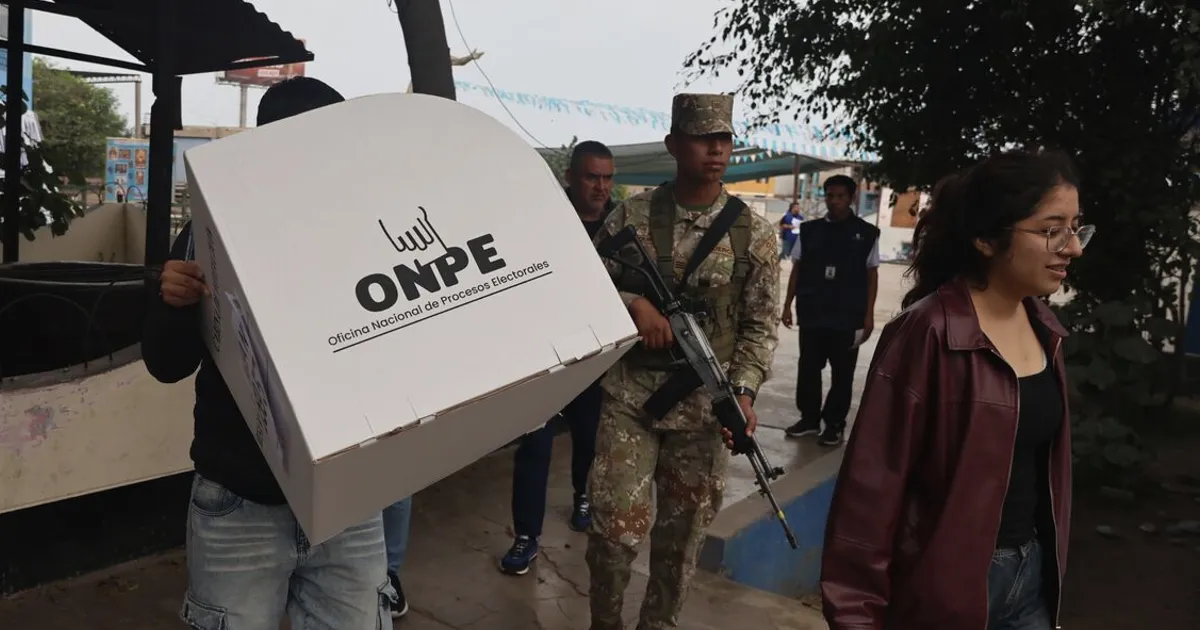
Peruvian bonds edged lower on Tuesday as the country's bitterly contested presidential election remained too close to call. The latest data showed conservative Keiko Fujimori holding the narrowest of leads over leftist Roberto Sánchez, with both candidates vying for the presidency in a deeply divided nation. The uncertainty surrounding the election outcome is weighing on Peruvian sovereign debt, as investors assess the potential policy paths under either candidate. A victory for Fujimori, a market-friendly conservative, could support bond prices, while a Sánchez win, given his leftist platform, might raise concerns about fiscal discipline and economic reforms. Traders are closely watching the evolving vote count for any signs of a decisive result. For the latest real-time rates on Peruvian bonds and other emerging market debt, check NowPrice's live quotes.
The bond market's reaction reflects the classic interplay between political risk and the Fed's dual mandate of price stability and maximum employment. While the Fed's rate decisions primarily target US inflation and employment, global spillovers via yield-curve dynamics and term-premium decomposition affect emerging market debt. A prolonged election dispute could widen swap spreads and increase volatility, as investors demand higher compensation for uncertainty. In the broader context, the ECB's transmission protection instrument (TPI) has helped stabilize European bond markets, but emerging economies like Peru remain vulnerable to capital flow reversals if global risk appetite shifts. The balance-sheet impacts of central bank policies also play a role: tighter global liquidity conditions could exacerbate any selloff in Peruvian bonds, especially if the election outcome leads to fiscal concerns.
Looking ahead, the focus remains on the final vote tally, which could take days to complete. A clear outcome could trigger a sharp move in bond yields, while a prolonged dispute or legal challenges may extend the period of volatility. Investors should also monitor any statements from the candidates regarding economic policy and central bank independence. Additionally, watch for any yield-curve inversion signals in US Treasuries, as such inversions often precede recessions and can lead to risk-off sentiment that pressures emerging market debt. The interplay between local political developments and global monetary policy will be key in determining the trajectory of Peruvian bonds in the coming weeks.