




Philippine Central Bank Warns Inflation May Surge in May
The Philippine central bank warned that inflation could accelerate further in May due to rising food prices and peso weakness, reinforcing expectations that interest rates will remain elevated.
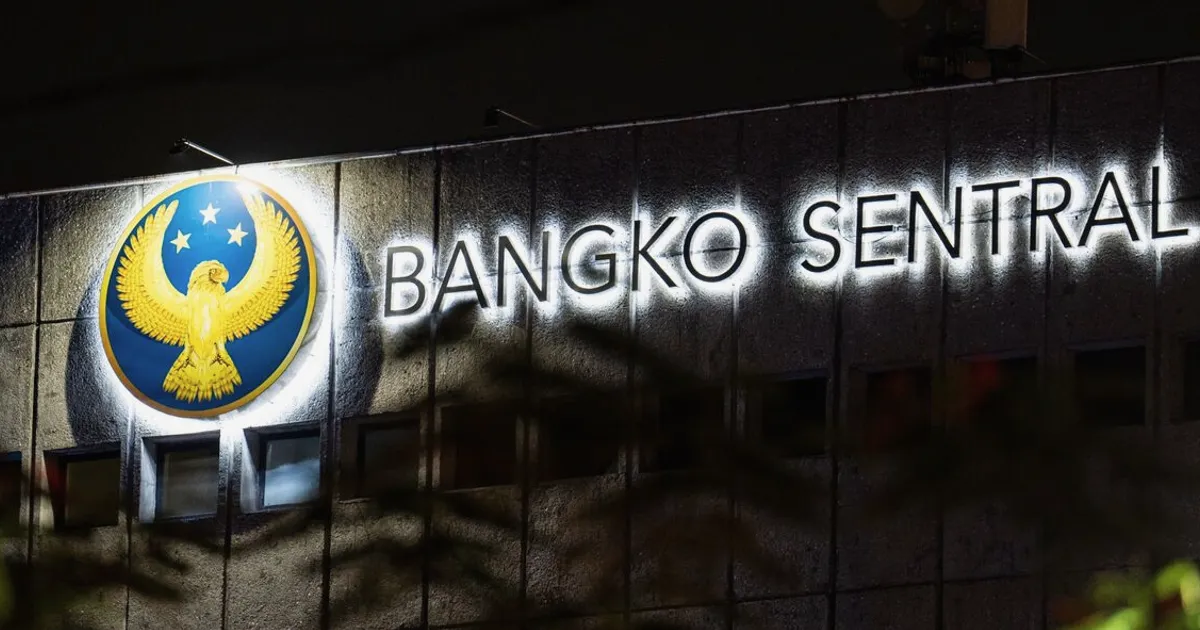
The Philippine central bank has warned that inflation could surge further in May, driven by rising food prices and the peso's weakness against the US dollar. The statement adds to concerns that price pressures remain persistent, complicating the central bank's monetary policy stance. The Bangko Sentral ng Pilipinas (BSP) highlighted that food price inflation, a key component of the Philippine consumer price index, has been exacerbated by supply disruptions and a weak peso, which increases the cost of imported goods. The peso's depreciation also adds to imported inflation, a dynamic that central banks in emerging markets closely monitor. This warning comes as the BSP balances its dual mandate of price stability and sustainable economic growth, with inflation already above the target range in recent months.
For interest rate traders, the warning reinforces expectations that the BSP will keep its policy rate elevated for longer. The central bank's hawkish stance is supported by the yield curve, which has steepened as short-term rates rise on tightening expectations while long-term rates remain anchored by global factors. The term premium, which compensates investors for bearing duration risk, has widened as uncertainty about the inflation outlook persists. Additionally, the BSP's balance sheet management, including potential bond sales or reverse repurchase operations, could further tighten liquidity conditions. Swap spreads in the Philippine market have also widened, reflecting increased demand for hedging against rate volatility. Traders should check NowPrice's rates page for current BSP rate expectations and peso exchange rate data.
Looking ahead, the May inflation print, due in early June, will be a critical data point. If inflation exceeds the BSP's target range, the central bank may need to consider further rate hikes. Market participants will also watch for any intervention in the foreign exchange market to support the peso, as a weaker currency risks importing more inflation. The BSP's next policy meeting is scheduled for June, where the inflation outlook will be a key factor in their decision. The central bank may also consider using macroprudential measures to curb credit growth and dampen demand-side pressures. Globally, the Federal Reserve's rate path and the European Central Bank's transmission protection instrument could influence capital flows and the peso's trajectory, adding another layer of complexity for the BSP.