




RBI May Have Sold Gold to Bolster FX Reserves, BE Analysis Shows
Bloomberg Economics analysis suggests India's central bank sold gold to protect foreign-exchange reserves from Middle East conflict fallout.
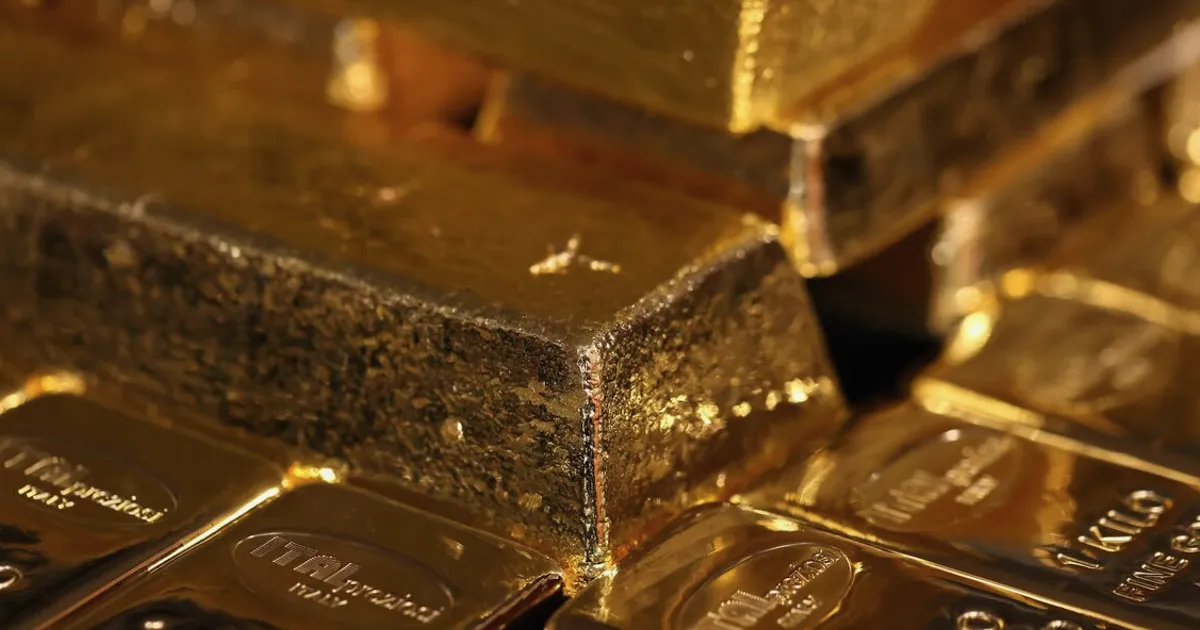
India's central bank may have sold part of its gold holdings to shore up foreign-currency reserves amid the fallout from the Middle East conflict, according to a Bloomberg Economics analysis of publicly available data. The analysis, based on central bank balance sheet data, indicates that the Reserve Bank of India (RBI) reduced its gold reserves in recent months, likely to offset pressure on foreign-exchange reserves from capital outflows and rising import costs linked to geopolitical tensions. For traders monitoring emerging-market central bank actions, such moves can signal stress in reserve adequacy and influence rate expectations. Live rates and charts on NowPrice show how gold and rupee-denominated assets are reacting to these developments.
This potential gold sale highlights the complex trade-offs central banks face during geopolitical shocks. The RBI's dual mandate includes maintaining price stability and ensuring adequate foreign exchange reserves to cushion the economy against external vulnerabilities. When capital outflows accelerate and import costs surge, as seen during the Middle East conflict, reserves can come under pressure. Gold holdings, which are part of the RBI's reserve assets, can be liquidated to provide liquidity and support the rupee. This mechanism is similar to how the Federal Reserve might adjust its balance sheet or use swap lines to address dollar funding stress, or how the European Central Bank employs transmission protection instruments to prevent fragmentation. For emerging markets, reserve adequacy is closely watched by investors; a decline in gold reserves could raise concerns about a country's ability to defend its currency, potentially leading to higher risk premiums and affecting bond yields and swap spreads.
Looking ahead, market participants will watch for further RBI data releases and any official commentary on reserve management. The trajectory of gold prices and the rupee's stability will also be key indicators of whether additional sales are needed. The analysis underscores the delicate balance central banks face between maintaining gold holdings and defending currency stability during geopolitical shocks. A sustained decline in reserves could prompt the RBI to raise interest rates to attract capital inflows, while gold sales might temporarily alleviate pressure but reduce long-term reserve diversification. Yield-curve dynamics and term-premium decomposition in Indian government bonds will reflect changing rate expectations, and any signs of reserve stress could lead to a steeper curve as investors demand higher compensation for duration risk.