




Thailand Eyes $5 Billion From Notes, Loans as Bond Yields Soar
Thailand plans to raise about $5 billion via promissory notes and term loans to fund cost-of-living relief, avoiding bond issuance as sovereign yields hit multi-month highs.
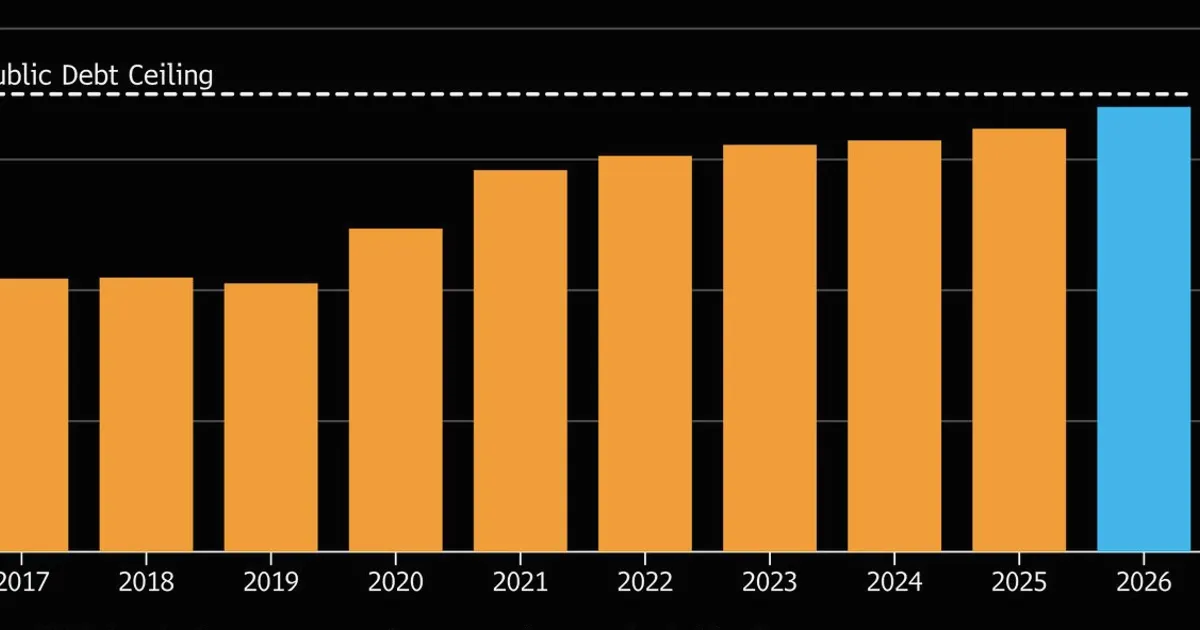
Thailand plans to raise approximately $5 billion through a combination of promissory notes and term loans to fund measures aimed at easing living costs, opting out of bond issuance as sovereign yields have surged to multi-month highs. The government's decision to bypass the bond market comes amid a sharp rise in Thai sovereign yields, driven by global inflationary pressures and geopolitical tensions linked to the Iran conflict. By using promissory notes and term loans, Thailand can secure funding without locking in elevated long-term borrowing costs. This move reflects a broader trend among emerging-market governments to diversify funding sources when bond market conditions turn unfavorable. Live rates and charts on NowPrice show how Thai bond yields have reacted to the recent volatility, providing traders with real-time data on the evolving landscape. The shift away from bonds also highlights how central bank balance-sheet normalization in advanced economies—such as the Federal Reserve's quantitative tightening—can tighten global liquidity, compressing term premiums and steepening yield curves in emerging markets. For Thailand, avoiding a fixed-rate bond issuance now means it can wait for a potential normalization of the yield curve, where long-term rates might decline as inflation expectations moderate. However, the use of short-term promissory notes exposes the government to rollover risk, especially if the Bank of Thailand raises policy rates to defend the baht or curb inflation, a classic trade-off under the Fed's dual mandate of price stability and maximum employment.
Market participants will watch for further details on the maturity structure and pricing of these instruments. The success of this alternative funding approach could influence how other emerging economies manage their borrowing strategies amid persistent yield volatility. Key data to monitor include upcoming Thai GDP figures and central bank policy signals, which may affect investor demand for the notes and loans. Additionally, the spread between Thai sovereign bonds and US Treasuries will be closely tracked, as a widening differential could attract carry trades but also heighten currency risk. The European Central Bank's Transmission Protection Instrument (TPI) offers a template for how central banks can cap unwarranted yield spikes, but Thailand lacks such a backstop, making its debt management more sensitive to global risk appetite. Analysts will also watch for any signs of yield-curve inversion in Thai markets, which historically signals recession fears and could complicate the government's funding strategy if investors demand higher premiums for longer maturities. Swap spreads and cross-currency basis swaps will provide clues on offshore demand for Thai debt, as foreign investors have been net sellers amid the global rate shock.