




Tony Robbins on AI stock bubble and grocery inflation fix
Tony Robbins discusses the AI stock bubble and his partnership with USDA and Hatch for Hunger to address grocery inflation by eliminating a protein shortfall for food-insecure households.
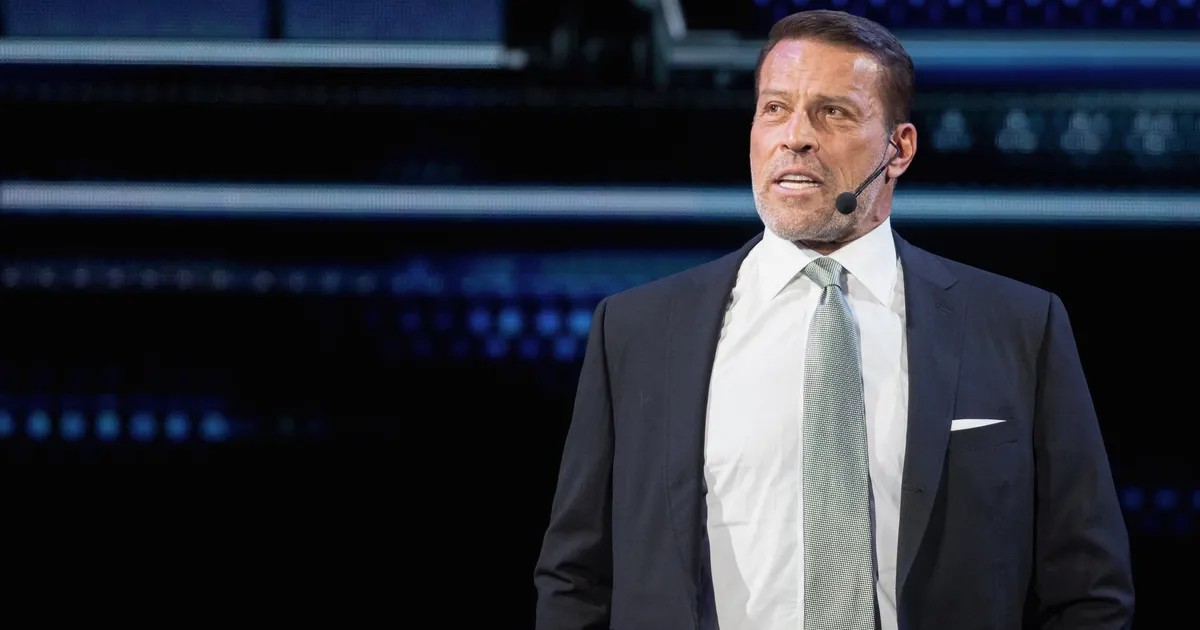
Tony Robbins, the renowned life and business strategist, has weighed in on the AI stock bubble and revealed a new initiative to combat grocery inflation. In a recent interview, Robbins discussed the frothy valuations in the AI sector and his partnership with the USDA and Hatch for Hunger to address a critical protein shortfall for food-insecure households in the United States.
The AI stock market has seen a surge in valuations, with many companies trading at high multiples. Robbins cautioned that the AI bubble could be reminiscent of the dot-com era, where hype outpaced fundamentals. He advised investors to be selective and focus on companies with real earnings potential rather than speculative narratives. Meanwhile, his philanthropic effort targets a different kind of inflation: the rising cost of groceries. The partnership aims to eliminate an 800 million-pound protein shortfall by funding refrigeration for food pantries and sourcing protein at below-wholesale prices.
For traders monitoring interest rates and central bank policy, the AI stock bubble is a key risk factor. A sharp correction in tech stocks could spill over into broader markets, affecting risk sentiment and potentially prompting a flight to safety. This could influence bond yields and rate expectations. NowPrice's real-time rates quotes provide the latest levels for traders to track these moves. The grocery inflation initiative, while not directly market-related, highlights the persistent pressure on consumer prices, which central banks are watching closely.
Looking ahead, investors should watch for earnings reports from major AI companies to validate valuations. Any signs of slowing growth could trigger a sell-off. On the inflation front, upcoming CPI data will be crucial for gauging whether food price pressures are easing. The Fed's next policy decision will also be influenced by these trends. Robbins' dual focus on market froth and real-world inflation underscores the complex environment facing policymakers and traders alike.