




US Grocery Prices Set to Rise as Inflation Pressures Mount
US grocery prices are expected to rise further as persistent inflation pressures add to consumer costs, reinforcing expectations that the Federal Reserve will maintain a cautious stance on rate cuts.
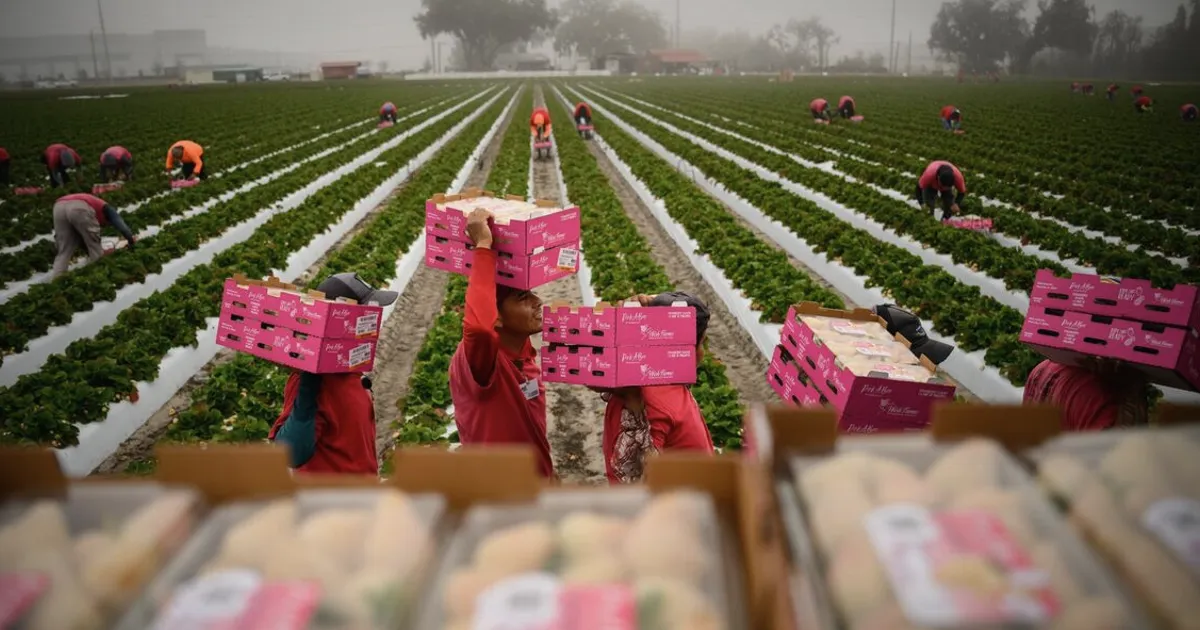
Americans are facing another wave of inflation at the grocery store, adding to the financial strain from higher energy costs. This development underscores the broad-based nature of price pressures in the US economy, which have been slow to recede despite the Federal Reserve's aggressive tightening cycle. The Fed operates under a dual mandate of maximum employment and price stability, with a 2% inflation target. Persistent food inflation complicates the central bank's task, as it keeps headline CPI elevated and may delay the pivot to rate cuts. The yield curve has already inverted, with short-term rates exceeding long-term ones, signaling recession fears. A further flattening could occur if the Fed holds rates higher for longer, compressing term premiums and reflecting tighter monetary conditions.
The rise in grocery prices is particularly significant for interest rate traders because food costs are a key component of consumer price inflation, which the Fed closely monitors. Persistent food inflation could delay the central bank's pivot to rate cuts, as it would keep overall inflation above the 2% target for longer. Traders can track the impact on rate expectations via NowPrice's live dashboard, which shows real-time moves in fed funds futures and Treasury yields. The Fed's balance sheet runoff, or quantitative tightening, also drains liquidity, amplifying the transmission of rate hikes to the real economy. Swap spreads, which measure the cost of exchanging fixed for floating rates, have widened, indicating stress in the interest rate swap market. The European Central Bank's transmission protection instrument (TPI) aims to prevent fragmentation, but US food inflation could spill over to global markets, affecting ECB policy.
Looking ahead, market participants will focus on upcoming CPI and PCE data releases for May, as well as any Fed commentary that addresses the stickiness of food and energy prices. A sustained uptick in grocery inflation may force the Fed to revise its rate path, keeping short-term rates higher for longer and potentially flattening the yield curve. The term premium, which compensates investors for holding long-term bonds, may remain compressed as the Fed maintains a hawkish stance. Traders should monitor the decomposition of Treasury yields into expectations and term premium components, as well as any shifts in swap spreads that signal funding stress. The interplay between domestic inflation and global central bank actions will be key for rate expectations.