




US interest payments hit $1.22 trillion as debt costs surge
US interest payments on federal debt have surged to $1.22 trillion, highlighting the growing burden of higher rates on government finances.
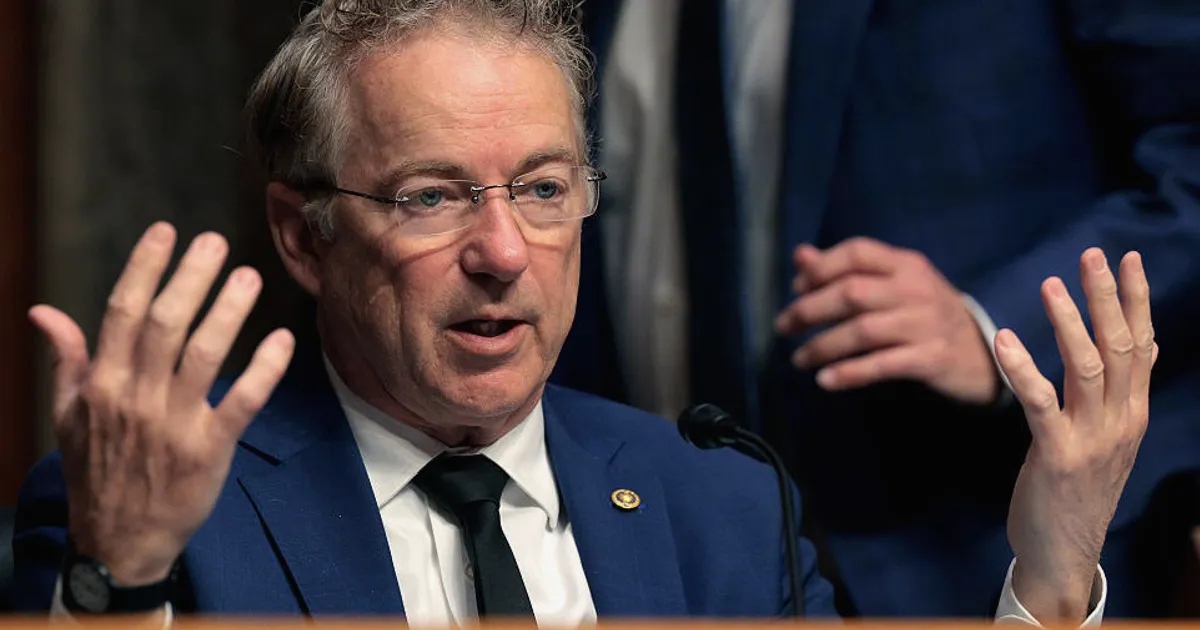
The United States government is now spending $1.22 trillion annually on interest payments on its federal debt, a figure that underscores the mounting cost of elevated interest rates. This sum, highlighted by Senator Rand Paul's quiz on wasteful government spending, reflects the real burden of higher borrowing costs on taxpayers. For context, the Federal Reserve operates under a dual mandate of maximum employment and price stability, but its aggressive rate hikes—the fastest in decades—have pushed the federal funds rate to a 22-year high. This has directly increased the government's interest expense, as roughly one-third of the debt is rolled over each year at higher rates. The yield on the 10-year Treasury note, a benchmark for long-term borrowing costs, remains elevated near 4.5%, and NowPrice's real-time rates feed shows the latest levels for traders monitoring this dynamic.
For interest rate and central bank policy traders, this number is a stark reminder of the fiscal constraints facing the Federal Reserve. As the Fed maintains a restrictive stance to combat inflation, the cost of servicing the national debt continues to climb, potentially limiting the central bank's ability to cut rates in a downturn. The yield-curve inversion, with short-term rates exceeding long-term rates, signals market expectations of a slowdown, while the term premium—the compensation investors demand for holding long-term bonds—has turned positive after years of being negative, reflecting increased uncertainty about fiscal sustainability. Additionally, the Fed's quantitative tightening, which reduces its balance sheet by allowing bonds to mature without reinvestment, puts upward pressure on long-term yields and exacerbates the fiscal burden. Swap spreads, which measure the cost of exchanging fixed for floating rates, have widened, indicating stress in the funding markets.
Looking ahead, the trajectory of interest payments will depend on the path of short-term rates and the Fed's balance sheet reduction. Key data releases, such as the monthly Treasury statement and the Consumer Price Index, will provide further clues on whether the Fed can ease policy without reigniting inflation. Traders should watch for any shift in Fed rhetoric that acknowledges the growing fiscal burden, as well as developments in the European Central Bank's transmission protection instrument, which could influence global rate dynamics. A sustained decline in inflation could allow the Fed to cut rates, reducing interest payments, but persistent fiscal deficits may keep term premiums elevated. The interplay between fiscal dominance and monetary policy will be a critical theme for rates markets in the coming months.