




US proposes 10% tariffs on 60 nations in forced-labour probe
The US has proposed tariffs of at least 10% on imports from around 60 countries under a Section 301 forced-labour probe, with higher 12.5% levies on China, India, Japan and others, potentially reigniting global trade tensions and impacting central bank rate paths.
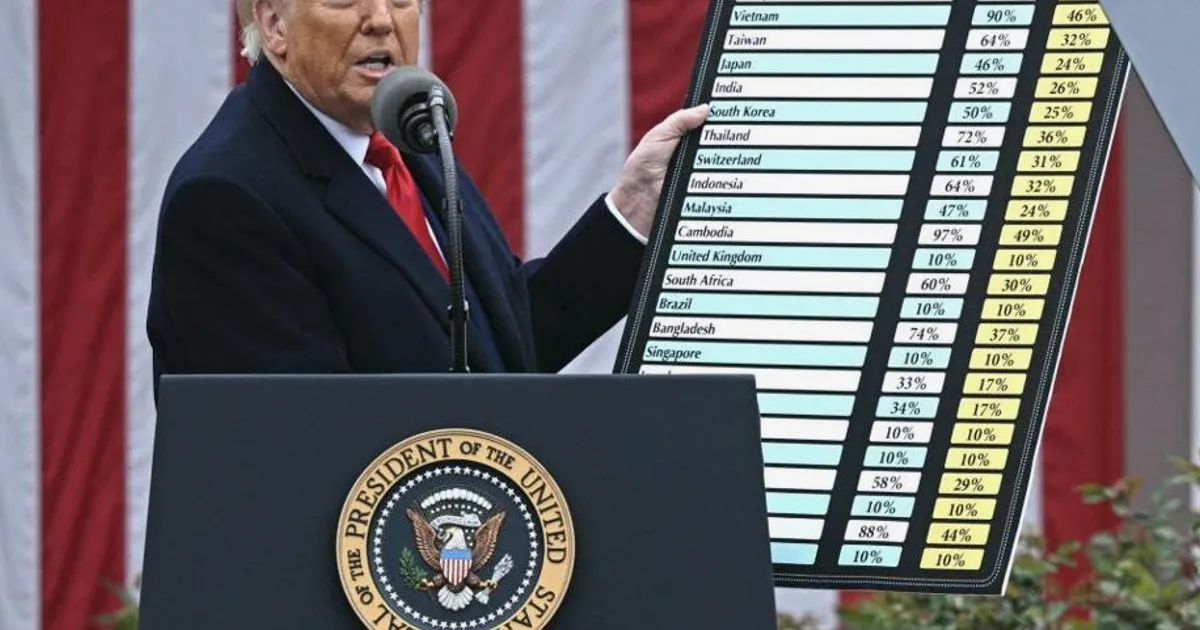
The United States has proposed tariffs of at least 10% on imports from around 60 trading partners, using a Section 301 forced-labour investigation to reconstruct the sweeping tariff architecture that the Supreme Court dismantled earlier this year. The recommended duties, published by the Office of the US Trade Representative, would apply a 10% levy on imports from Canada, Mexico, the European Union, Taiwan and the United Kingdom, while targeting China, India, Japan and several other nations with a higher 12.5% rate.
For interest rate and central bank policy traders, this development carries significant implications. A broad-based tariff increase tends to be inflationary, as higher import costs are passed through to consumer prices. This could prompt the Federal Reserve to maintain a hawkish stance or even delay rate cuts, as it balances its dual mandate of price stability and maximum employment. The yield curve may steepen on inflation expectations, while risk-sensitive currencies and emerging market bonds could face pressure. Traders can monitor real-time pricing on NowPrice's rates page to gauge market reactions across Treasuries, FX and equity futures.
Looking ahead, market participants will focus on the official comment period and potential retaliatory measures from affected nations. The US Trade Representative is expected to finalize the tariff schedule in the coming months, with implementation likely phased. Key data releases to watch include US CPI and PCE prints, which will provide further clues on how trade policy is feeding into inflation dynamics. Any escalation in trade tensions could also influence the European Central Bank and Bank of Japan policy paths, as export-dependent economies face headwinds.