




Wealthy spending on luxury goods complicates Fed inflation fight
Sustained luxury spending by wealthy consumers is keeping demand elevated, potentially forcing the Federal Reserve to maintain higher interest rates for longer to curb inflation.
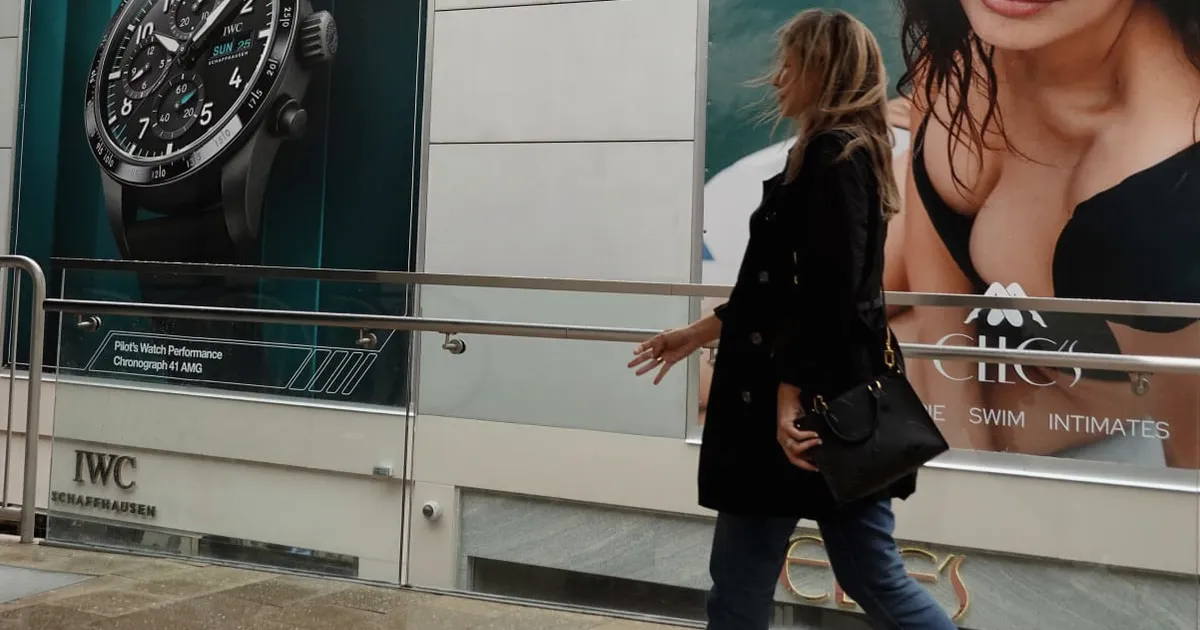
Wealthy consumers continue to spend aggressively on luxury goods, a trend that is filtering into broader price pressures and complicating the Federal Reserve's efforts to bring inflation back to its 2% target.
The phenomenon, sometimes called 'unapologetic luxury,' describes how high-income households are largely unfazed by elevated prices and interest rates. Their sustained spending on high-end items — from designer handbags to premium travel — keeps overall demand in the economy stronger than it would be if spending were more evenly distributed. This dynamic can push up prices for everyday goods as businesses pass on higher costs and adjust pricing strategies across product lines. For central bank policy traders, the key implication is that the Fed may need to keep interest rates higher for longer to cool demand from all income groups, not just the wealthy. The resilience of luxury spending suggests that rate hikes have been less effective at dampening consumption among the top earners, potentially delaying the timing of any rate cuts. Traders can monitor current pricing of rate expectations on NowPrice's rates page for real-time market sentiment.
Looking ahead, traders should watch upcoming data on personal consumption expenditures (PCE), particularly the core PCE deflator, which is the Fed's preferred inflation gauge. Any signs that luxury-driven demand is keeping core inflation sticky could reinforce the 'higher for longer' narrative. Also, retail earnings reports from luxury brands will provide clues on whether this spending trend persists. If luxury spending shows signs of softening, it could signal a broader slowdown and open the door for earlier Fed easing.