




White House denies Iran MoU draft, market gains erased
The White House indirectly denied a reported Iran MoU draft, erasing initial market gains, while traders await concrete developments on the Strait of Hormuz.
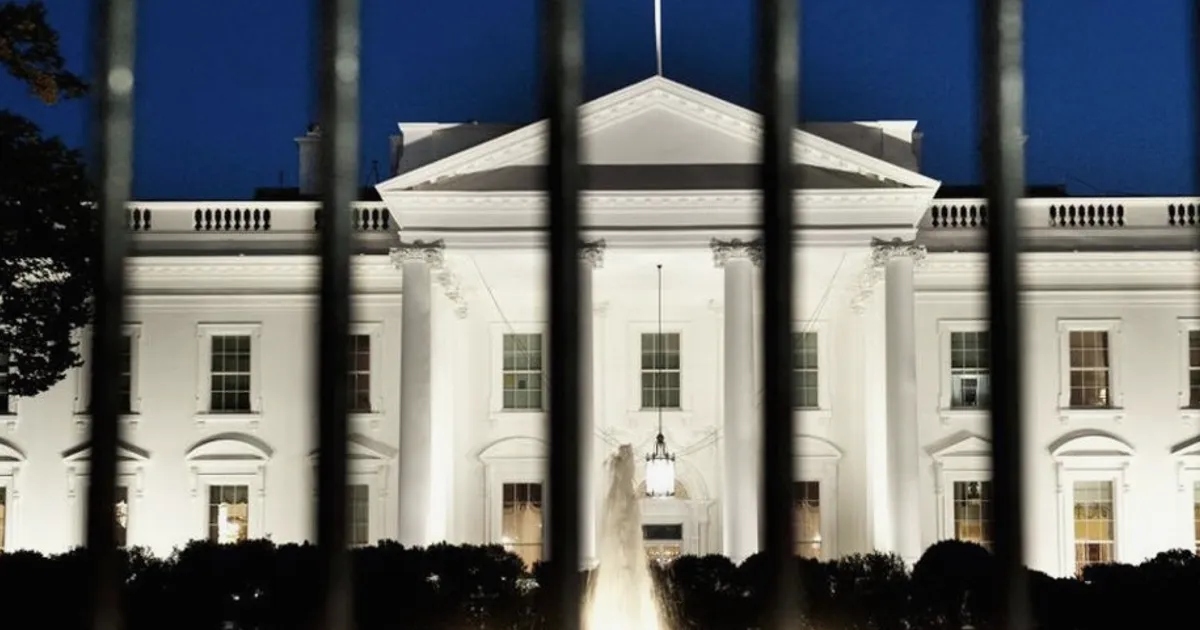
The White House Rapid Response account on X indirectly denied a draft Memorandum of Understanding (MoU) with Iran that had been reported by Iran's state TV earlier in the session. The denial erased initial market gains, as state TV also clarified that no agreement has been reached. Traders are now left waiting for concrete developments, with the situation remaining fluid.
For interest rate and central bank policy traders, the key variable is the Strait of Hormuz. A reopening would ease oil supply concerns, potentially lowering inflation expectations and reducing pressure on central banks to hike rates. Conversely, prolonged uncertainty could keep oil prices elevated, complicating the Fed's path ahead of the June FOMC meeting. The Fed operates under a dual mandate of maximum employment and price stability, and any oil-driven inflation spike could force it to maintain a hawkish stance. Yield-curve inversion dynamics and term-premium decomposition also come into play: higher oil prices may steepen the curve by lifting long-term inflation expectations, while the Fed's balance-sheet runoff (quantitative tightening) adds upward pressure on term premiums. Swap spreads could widen as hedging costs rise, and the ECB's Transmission Protection Instrument (TPI) may be tested if energy shocks fragment euro-area bond markets. Live rates and charts on NowPrice show how markets are reacting to each headline, providing real-time insight into risk sentiment.
Looking ahead, the focus will be on any official statements from both sides and the trajectory of oil prices. If the situation drags on, the risk of higher oil prices feeding into core inflation could force the Fed to maintain a hawkish stance. Traders should watch for any concrete agreement or escalation, as the current noise suggests markets are pricing in a resolution but remain vulnerable to surprises.