




AI Debt Deluge Makes Credit Market Look Safer While Masking Risk
A surge in high-grade AI-related corporate debt issuance is improving aggregate credit metrics, but investors worry the apparent safety masks underlying risks from rapid leverage growth and concentration.
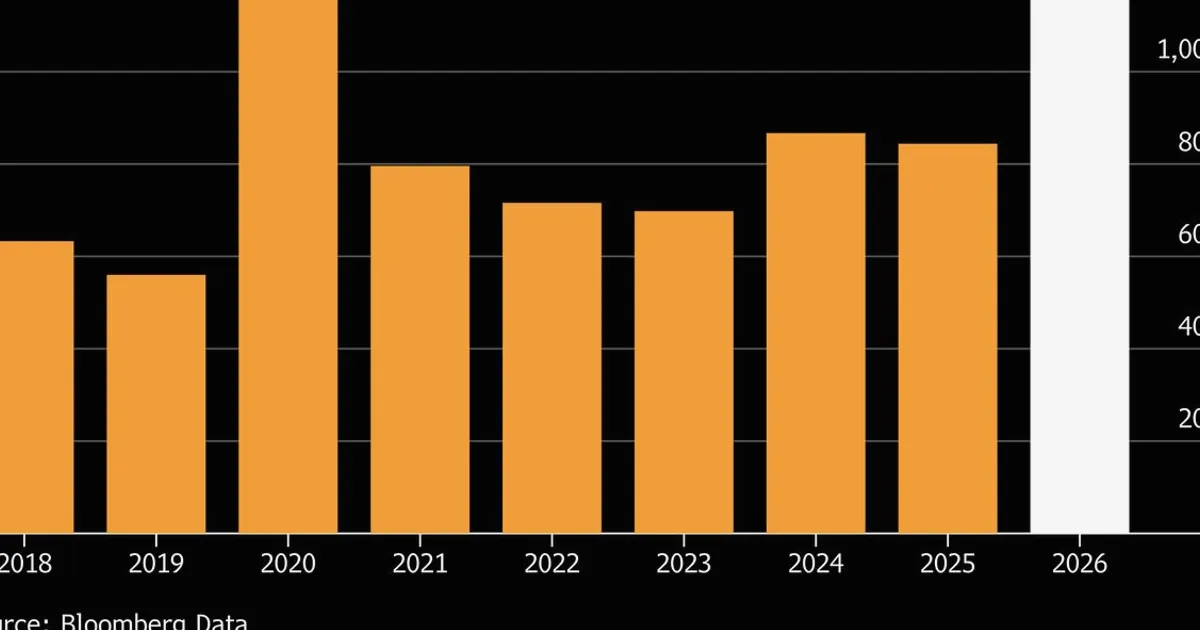
A wave of debt issuance by highly-rated technology companies tied to artificial intelligence is making the US corporate bond market appear safer on aggregate, yet many investors warn that the improvement in headline credit metrics masks growing risks.
The surge in AI-related debt, much of it rated investment-grade, has boosted the overall quality of the corporate bond universe. As these large, well-capitalized firms borrow to fund data centers, chip manufacturing, and other AI infrastructure, the average credit rating of the market improves. This mechanical effect can create a false sense of security, because the new debt is concentrated in a single sector that is still unproven in terms of long-term cash flow generation. For equity traders, this dynamic matters because it influences the cost of capital for companies and the relative attractiveness of stocks versus bonds. When credit markets appear safer, yield spreads narrow, reducing the equity risk premium and potentially supporting valuations. However, if the underlying risks materialize—such as a slowdown in AI spending or a regulatory clampdown—the concentrated leverage could trigger a rapid repricing. Traders can monitor current pricing on NowPrice's stocks page for real-time context on how these credit trends are affecting equity markets.
Looking ahead, the key risk is whether the AI debt wave will prove sustainable. Investors should watch for any signs of deteriorating credit quality among AI-related issuers, such as rising leverage ratios or declining interest coverage. Additionally, the pace of new issuance will be a critical signal: a sudden slowdown could indicate that companies are struggling to access capital, while continued heavy issuance may further concentrate risk. The upcoming earnings season will provide important data on cash flows and capital expenditure plans, which will help determine whether the credit market's apparent safety is real or illusory.