




AI Factories Reshape Power Equipment Market, Creating Winners and Losers
The rise of AI factories is reshaping the power equipment market, creating divergent fortunes for companies as demand for high-capacity infrastructure surges.
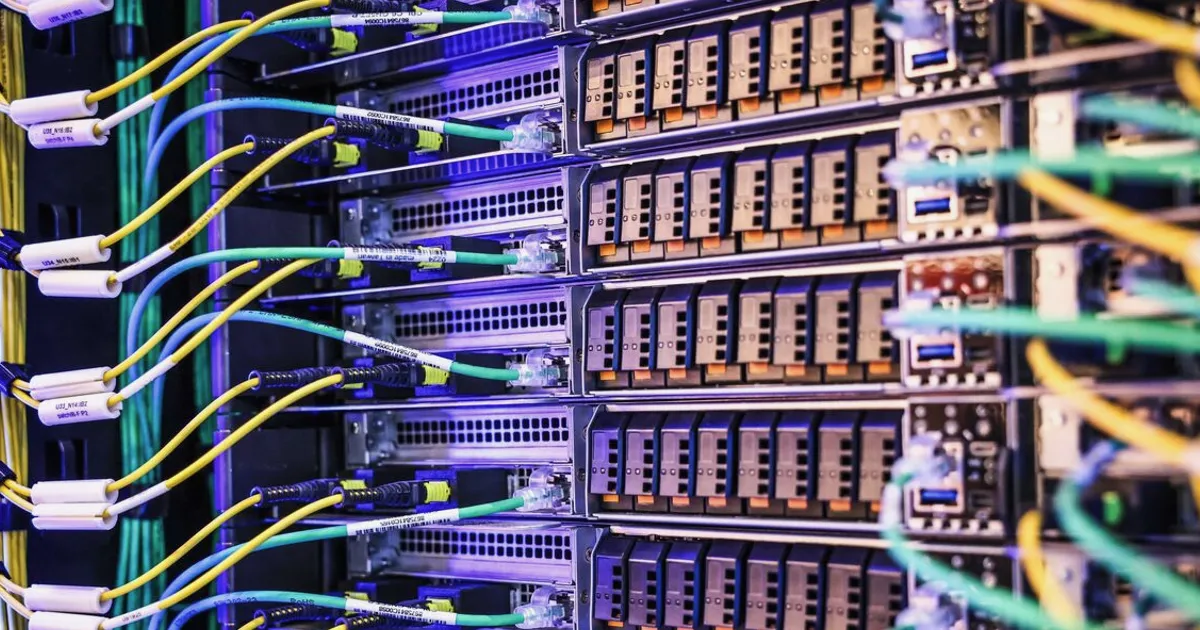
The rapid expansion of AI factories is forcing power equipment companies to rethink their portfolios, as the market for these specialized components is expected to exceed $200 billion annually. This shift creates clear winners and losers among established manufacturers and new entrants, as demand for high-capacity transformers, cooling systems, and backup power solutions surges. The scale of investment is reminiscent of past infrastructure booms, but the pace is faster due to the concentrated buying power of hyperscale cloud providers. For context, the global power equipment market has historically grown at 3-5% annually, but the AI-driven segment is expanding at over 20% per year, creating a stark divergence in earnings trajectories.
For stock market investors, this trend represents a significant sector rotation opportunity. Companies that successfully pivot to serve AI data centers — such as those producing high-efficiency transformers or advanced cooling systems — are likely to see earnings growth, while those tied to traditional power infrastructure may face headwinds. The earnings yield on these AI-focused industrials, when compared to the 10-year Treasury yield (currently around 4.5%), suggests a risk premium that compensates for execution risk. Forward P/E ratios for leaders in this space have expanded to 25-30x, while laggards trade at 12-15x, indicating market pricing of divergent growth paths. Breadth indicators show that only about 40% of S&P 500 industrial components are participating in the rally, underscoring the selective nature of the opportunity. Additionally, buyback yields among AI-exposed firms have increased to 3-4%, signaling management confidence, while options-implied volatility remains elevated at 30-35%, reflecting uncertainty around supply chain dynamics. Traders can monitor these moves on NowPrice's live stocks dashboard to track real-time price action in affected equities.
Looking ahead, key indicators to watch include capital expenditure announcements from major tech firms building AI factories, as well as quarterly earnings reports from power equipment suppliers. Any signs of supply chain bottlenecks or regulatory changes could amplify the divergence between winners and losers in this rapidly evolving market. Specifically, investors should track the ratio of orders to shipments for large power transformers, which has risen to 1.5x, indicating backlog growth. Also, watch for shifts in sector rotation: if the broader market enters a risk-off phase, the high-beta AI equipment names could underperform, while defensive utilities might benefit from increased power demand. Finally, monitor the options market for put/call ratios on key players; a spike in bearish bets could signal near-term caution, while sustained call buying would suggest continued optimism.