




Asia Loan Market to Stay Weak as War Saps Confidence, Bankers Say
Bankers see no rebound in Asia's loan market in the second half as the Iran war continues to dampen lender and borrower confidence, signaling prolonged weakness for regional credit.
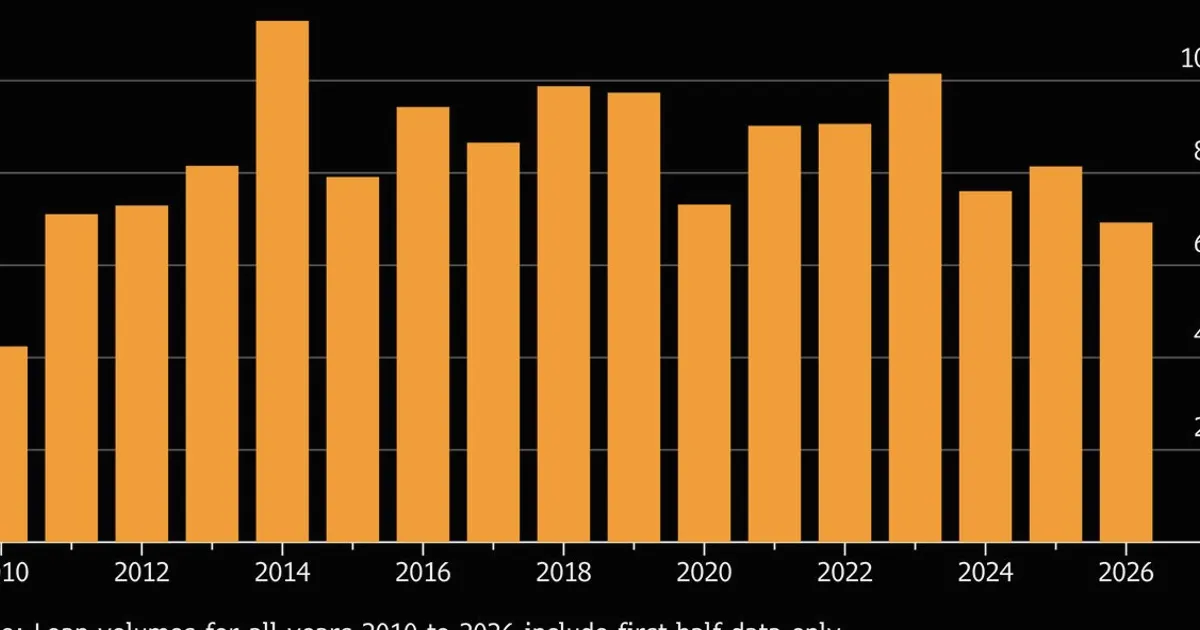
Asia's loan market is heading into the second half of the year with little sign of a rebound, according to bankers, as the fallout from the Iran war continues to suppress confidence among lenders and borrowers.
The region's syndicated loan market has been under pressure since the conflict erupted, with many banks tightening credit standards and corporates delaying expansion plans. Bankers surveyed by Bloomberg indicated that the pipeline for new loans remains thin, and pricing has widened as risk aversion persists. The war has disrupted supply chains and heightened geopolitical uncertainty, making lenders more cautious about exposure to certain sectors and countries.
For equity traders, the weakness in the loan market is a bearish signal for Asian stocks. A prolonged credit crunch can squeeze corporate earnings, especially for highly leveraged firms in sectors like real estate and infrastructure. When borrowing costs rise and access to capital tightens, companies may cut dividends or delay buybacks, reducing the appeal of equities. The loan market's struggles also reflect broader economic fragility, which could weigh on regional indices. Live stock prices and charts on NowPrice show how markets are reacting to these credit conditions, with investors closely watching for any signs of distress.
Looking ahead, the key question is whether the Iran war will escalate or de-escalate. Any diplomatic breakthrough could restore confidence and revive loan activity, while further escalation would deepen the downturn. Traders should monitor central bank policies in Asia, as some may ease monetary policy to offset the credit squeeze. Also watch for earnings reports from major Asian banks, which will reveal the extent of loan loss provisions and credit quality deterioration.