




Bayer stock jumps after Supreme Court sides with Roundup maker
Bayer shares surged after the US Supreme Court ruled that states cannot impose labeling requirements on Roundup beyond federal law, reducing litigation risk for the company.
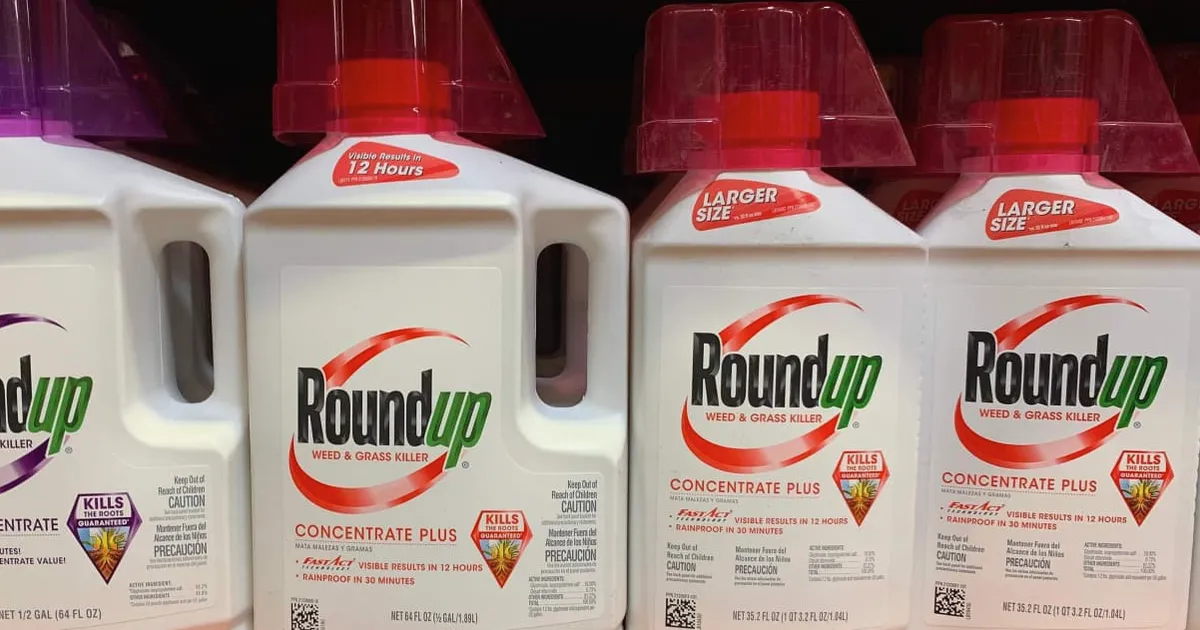
Bayer shares surged on Thursday after the US Supreme Court ruled in favor of the company in a case concerning labeling requirements for its Roundup weedkiller. The court held that states cannot impose warning labels that go beyond what federal law requires, a decision that significantly reduces Bayer's legal exposure in thousands of lawsuits alleging that Roundup causes cancer. The stock jumped as much as 12% in early trading, reflecting the market's relief that a key legal overhang has been lifted. For context, Bayer had set aside $16 billion to settle past claims, but the ruling curbs future state-level litigation, which had been a major source of uncertainty.
For equity traders, this ruling removes a major overhang that has weighed on Bayer's stock for years. The company has faced more than 100,000 claims related to Roundup, and the uncertainty around state-level labeling rules had been a key risk factor. With the Supreme Court's decision, Bayer's litigation costs may decline substantially, potentially improving its earnings outlook. From a valuation perspective, Bayer's forward P/E had been depressed at around 7x, well below the sector average of 15x, due to legal risks. The ruling could trigger a re-rating, narrowing that gap. Additionally, the broader agricultural chemicals sector may see a reassessment of litigation risks, benefiting peers like Corteva and FMC. Live stock prices and charts on NowPrice show the market's immediate positive reaction, with the stock trading at its highest level in months. Options-implied volatility on Bayer dropped sharply, signaling reduced uncertainty.
Looking ahead, traders will watch for any further legal developments, including potential appeals or new federal labeling standards. Bayer's upcoming quarterly earnings report will also be closely scrutinized for any impact on revenue from Roundup sales. The company's buyback yield, currently near 3%, could increase if cash flow improves with lower litigation costs. Sector rotation may also favor agricultural stocks if the ruling reduces perceived regulatory risk. However, breadth indicators in the sector remain mixed, and a sustained rally would require confirmation from earnings and broader market trends.