




Bitcoin's Retail Army Retreat Exposes Market Fragility
The retreat of retail traders from Bitcoin, once a key cushion during selloffs, has left the market more vulnerable to sharp declines despite Wall Street's growing involvement.
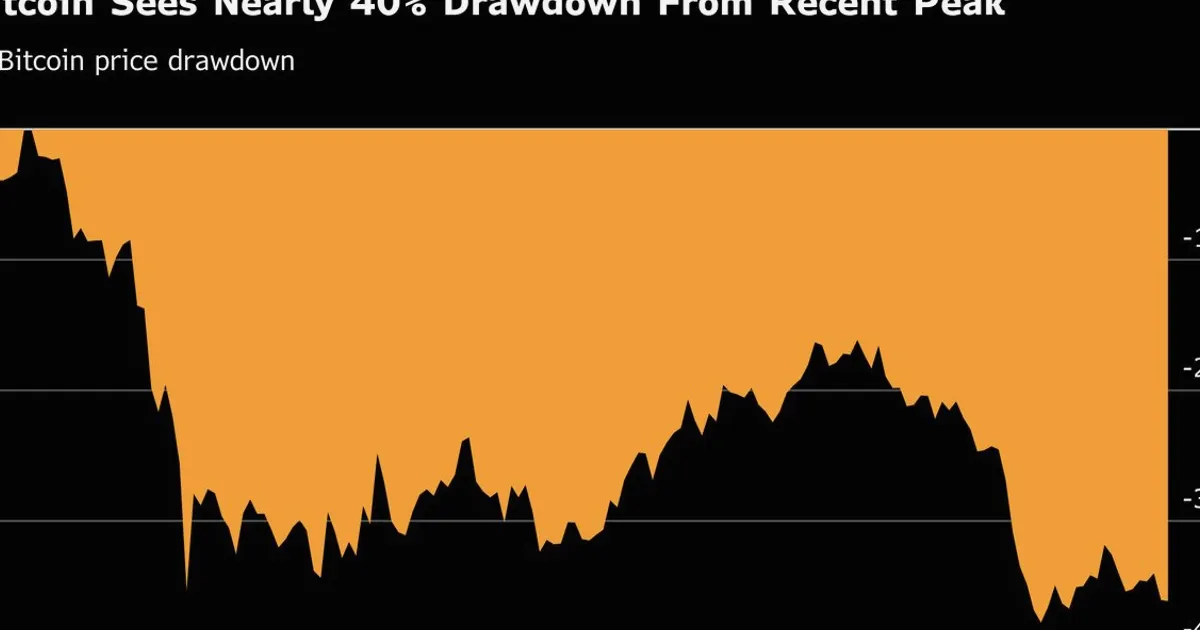
Bitcoin's latest selloff has revealed a structural shift in its investor base, as the retail traders who once provided a buffer during downturns have largely disappeared. The cryptocurrency, which has long sought to distance itself from its reputation as a speculative retail playground, now faces a new reality: Wall Street's influx of capital and legitimacy has come at the cost of a key support mechanism.
The retreat of retail investors is evident in on-chain data, which shows a significant decline in small wallet activity and exchange inflows from individual traders. During previous selloffs, retail buyers often stepped in to absorb selling pressure, providing a natural floor. Their absence now means that price declines can accelerate more quickly, as institutional players may be more prone to coordinated risk-off moves. For equities traders, this dynamic mirrors the thinning of market depth seen in some stock sectors when retail participation wanes, amplifying volatility. NowPrice's real-time quotes show Bitcoin's price action remains sensitive to headline risk, with intraday swings widening as liquidity thins.
The implications for broader markets are twofold. First, Bitcoin's reduced retail cushion could exacerbate correlations with equity selloffs during risk-off episodes, as institutional holders may liquidate positions across asset classes. Second, the shift underscores a maturation process that may reduce the likelihood of violent retail-driven rallies but also leaves the market more exposed to sharp corrections. Traders should watch for further declines in retail activity metrics and monitor whether institutional buying interest can compensate. Key levels to track include Bitcoin's recent support zones and any divergence in volume patterns between retail and institutional flows.