




Black-Market Peptides Fuel a Multibillion-Dollar Gold Rush
A booming black market for unregulated peptides, driven by demand for wellness shots after GLP-1 success, poses health risks and attracts billions in illicit spending.
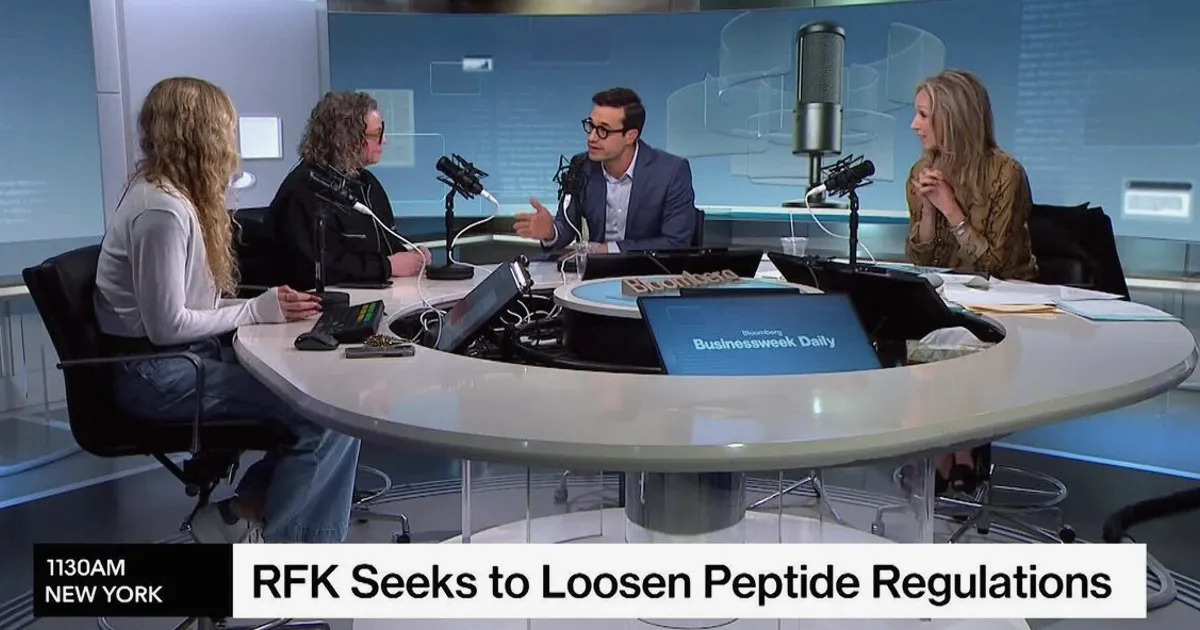
A multibillion-dollar black market for unregulated peptides has emerged, fueled by consumer demand for wellness injections following the success of GLP-1 drugs.
The trend centers on peptides—short chains of amino acids marketed as treatments for sleep, weight loss, and anti-aging—that are sold without FDA approval. Customers often source these products online or through social media, bypassing medical oversight. The market's rapid growth reflects a broader shift toward self-administered health interventions, but the lack of regulation means users face unknown risks, including contamination, incorrect dosing, and adverse reactions from untested substances.
For investors, the rise of the black-market peptide trade highlights a gap in the regulated pharmaceutical market. While GLP-1 makers like Novo Nordisk and Eli Lilly have seen massive revenues, the illicit peptide market captures demand that these companies cannot legally address. This parallel economy could pressure regulators to tighten oversight or spur innovation in approved alternatives, potentially affecting stock valuations in the biotech and wellness sectors. NowPrice's real-time stock quotes track these movements for traders monitoring the sector.
Looking ahead, the FDA may increase enforcement actions against unapproved peptide sellers, while legitimate drugmakers could accelerate clinical trials for similar compounds. Consumer safety warnings and potential legal cases may also shape the market's trajectory. Investors should watch for regulatory announcements and earnings calls from companies developing peptide-based therapies.