




Carlyle's Rubenstein Champions 'Patriotic Philanthropy' for US Monuments
Carlyle Group co-founder David Rubenstein advocates for 'patriotic philanthropy' to preserve US historical documents and monuments, blending private wealth with national heritage.
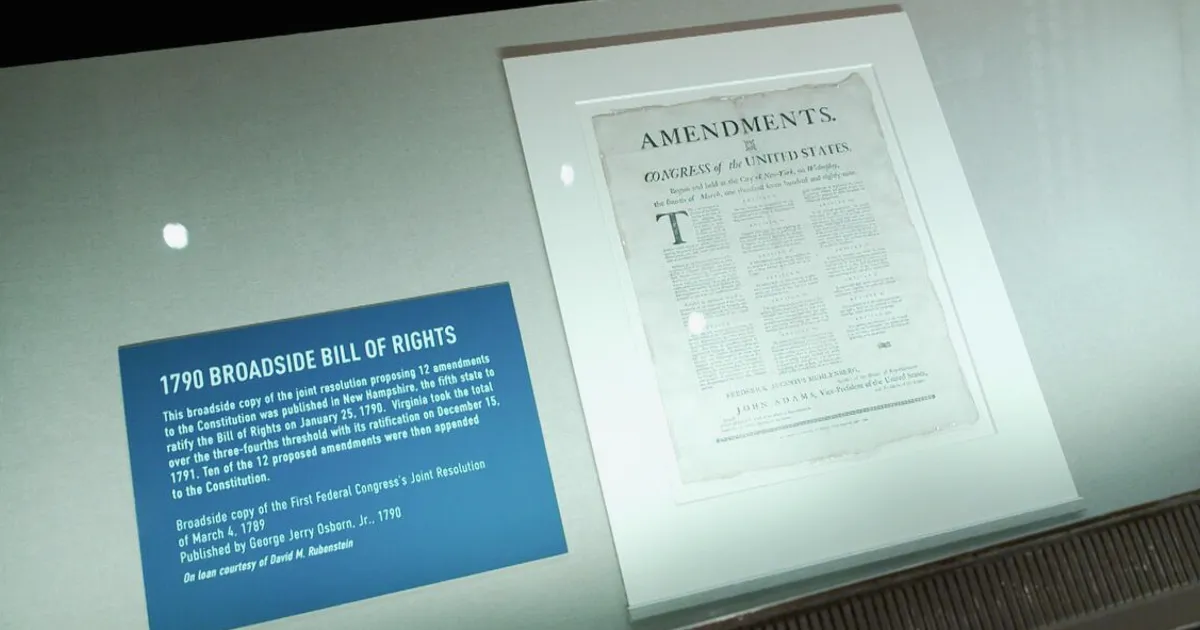
David Rubenstein, co-founder of Carlyle Group and host of Bloomberg's The David Rubenstein Show, has publicly championed what he terms 'patriotic philanthropy' — a focus on preserving key historical documents and monuments in the United States. In a recent interview, Rubenstein shared his motivation behind this approach, which blends private wealth with national heritage.
Rubenstein's philanthropic strategy centers on acquiring and donating historically significant items, such as original copies of the Declaration of Independence and the Emancipation Proclamation, as well as funding restorations of landmarks like the Washington Monument and the Lincoln Memorial. This model of giving, which he calls 'patriotic philanthropy,' aims to ensure that future generations have access to tangible pieces of American history. For equity investors, Rubenstein's approach highlights a broader trend of high-net-worth individuals directing capital toward cultural and civic projects, which can influence sectors such as heritage tourism, construction, and non-profit management.
The concept of 'patriotic philanthropy' also raises questions about the role of private wealth in public heritage. As government budgets for cultural preservation face constraints, private donors like Rubenstein are stepping in to fill gaps. This trend could have implications for companies involved in historical restoration, museum operations, and educational initiatives. Investors monitoring the Carlyle Group may view Rubenstein's public advocacy as a signal of his personal values, though it does not directly affect the firm's investment strategy. For real-time pricing on stocks related to heritage and tourism, check NowPrice's equities page.
Looking ahead, Rubenstein's continued efforts may inspire other billionaires to adopt similar philanthropic models, potentially increasing private funding for national monuments and archives. This could create opportunities for firms specializing in archival preservation, digital documentation, and historical site management. Meanwhile, the broader debate over public versus private funding for cultural heritage is likely to persist, with implications for policy and investment in the coming years.