




Carmen Li Plans a Futures Market for Compute Power
Carmen Li proposes a futures market for computing power, aiming to standardize GPU pricing and allow investors to hedge against volatility in AI infrastructure costs.
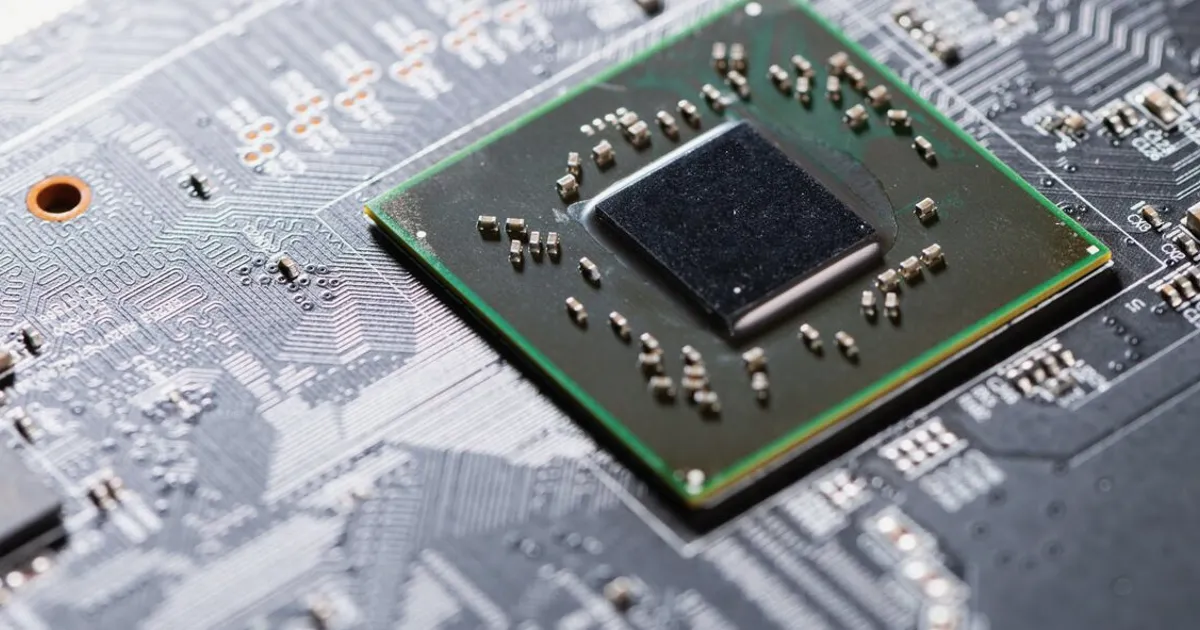
Carmen Li is planning to create a futures market for computing power, an initiative that could transform how investors and companies manage exposure to the rapidly growing AI infrastructure sector.
Li's proposal centers on developing a standardized GPU index that would serve as the underlying benchmark for futures contracts. The goal is to bring price transparency and risk management tools to a market currently dominated by opaque, bilateral agreements between cloud providers and large AI firms. By creating a tradeable instrument tied to compute capacity, the plan aims to attract both institutional investors seeking exposure to AI growth and end-users wanting to lock in costs.
For stock market participants, this development matters because it introduces a new asset class linked to the physical backbone of the AI economy. GPU compute has become a critical input for companies like Nvidia, AMD, and cloud hyperscalers such as Amazon Web Services, Microsoft Azure, and Google Cloud. A liquid futures market would allow traders to hedge against swings in AI infrastructure spending, potentially reducing earnings volatility for firms heavily invested in data centers. It also opens the door for speculative positioning on the demand for compute, similar to how oil futures track energy demand. For real-time pricing on related equities, NowPrice offers live quotes on GPU makers and cloud stocks.
Looking ahead, the success of this initiative hinges on several factors. First, the development of a reliable and transparent GPU index that accurately reflects spot market conditions. Second, regulatory approval from bodies like the Commodity Futures Trading Commission in the US. Third, sufficient liquidity from both commercial hedgers and financial speculators. Traders should monitor announcements from Li's team regarding index methodology, exchange partnerships, and launch timelines, as these will signal the viability of this novel market.