




Debt and Risky Bets Fuel South Korea and Taiwan AI Stock Boom
Investors in South Korea and Taiwan are increasingly using debt and speculative strategies to chase gains in AI-related stocks, fueling one of the world's hottest market rallies.
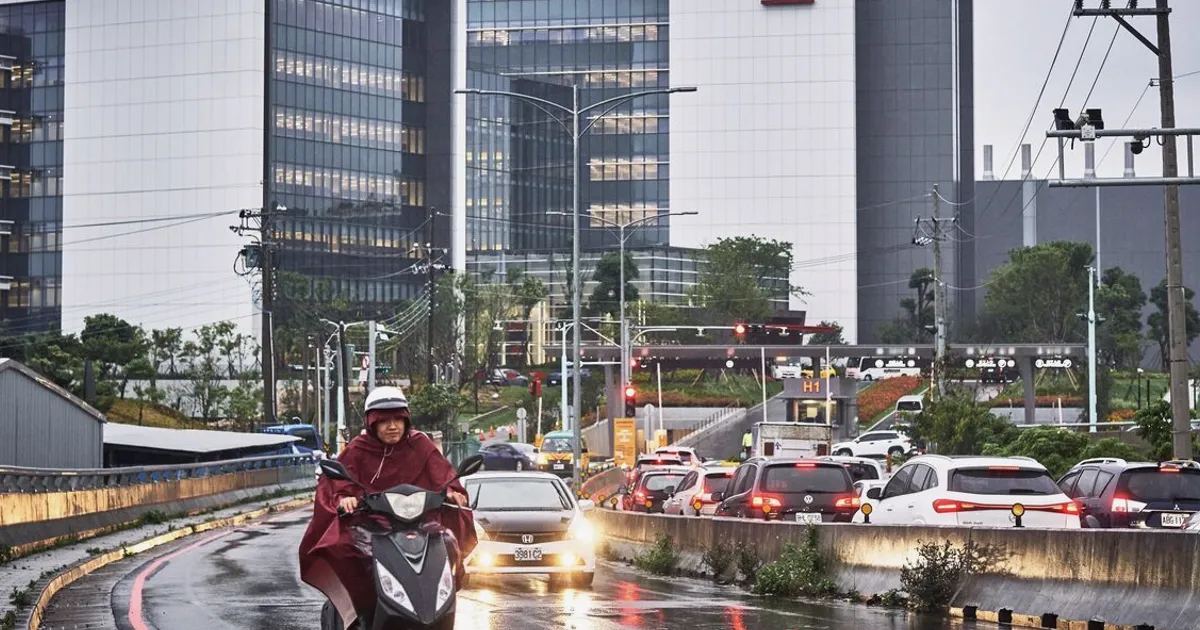
A wave of debt-fueled speculation is driving an AI stock boom in South Korea and Taiwan, as retail investors pile into leveraged bets on semiconductor and technology shares. The rally, among the strongest globally this year, has drawn comparisons to past manias as margin debt and risky derivative products surge.
In both markets, individual investors have been borrowing heavily to buy stocks linked to artificial intelligence, particularly in the semiconductor supply chain. South Korea's Kospi and Taiwan's Taiex have both posted double-digit gains, with AI-related names like Samsung Electronics and TSMC leading the charge. The use of margin loans and structured products has amplified returns but also increased vulnerability to sharp reversals. For equities traders, this dynamic mirrors the late-cycle behavior seen in past tech booms, where leverage inflates valuations beyond sustainable levels. NowPrice's stocks page provides real-time pricing on these key indices and AI-related stocks for traders monitoring the rally.
Looking ahead, the sustainability of the AI rally will depend on corporate earnings delivery and central bank policy. Any hawkish surprise from the Bank of Korea or Taiwan's central bank could trigger a deleveraging event, as rising borrowing costs squeeze leveraged positions. Traders should watch for shifts in margin debt levels and volatility indices in both markets, as well as any regulatory tightening on speculative trading. The upcoming earnings season for semiconductor giants will be a critical test of whether fundamentals justify the elevated valuations.