




Germany's Weirdest Debt Market Loses Safe-Haven Status for Lenders
A raucous creditor meeting for Austrian motorcycle maker KTM highlights growing risks in Germany's Schuldschein market, traditionally a safe haven for lenders.
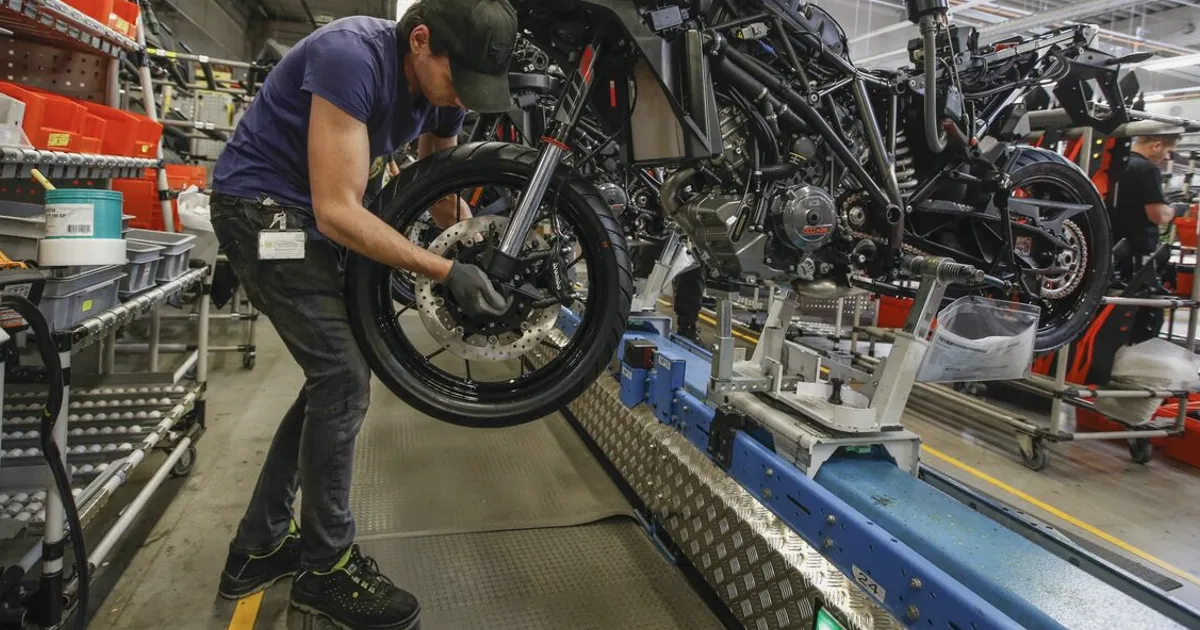
A chaotic creditor meeting for Austrian motorcycle manufacturer KTM AG has exposed cracks in Germany's Schuldschein market, a private debt market long considered a safe haven for lenders. The meeting, which drew over 100 parties including small German town backers, Chinese banks, and European pension funds, revealed a lack of coordination and expertise among creditors, raising questions about the market's stability.
The Schuldschein market, a centuries-old German debt instrument, has traditionally been a low-risk, low-yield haven for institutional investors. However, the KTM case shows that as the market grows and attracts a more diverse set of lenders, the risks are becoming more pronounced. Unlike public bonds, Schuldschein loans are not traded on exchanges, making them illiquid and harder to value. The motley crew of creditors in the KTM restructuring highlights the potential for conflicts and inefficiencies when a borrower defaults. For equities traders, this development signals that even supposedly safe corners of the credit market can harbor hidden risks, which could spill over into broader market sentiment. Live stock prices and charts on NowPrice show how investors are reacting to these credit market tremors.
Looking ahead, the KTM restructuring will serve as a test case for the Schuldschein market's resilience. If the process proves messy, it could deter new lenders and push up borrowing costs for German mid-sized companies, the traditional issuers of Schuldschein loans. Investors should watch for any signs of contagion to other private debt markets and monitor the outcome of the KTM insolvency plan, which could set a precedent for future restructurings.