




Harley-Davidson Credit Ratings Cut to Junk by S&P on Strategy Shift
S&P Global Ratings cut Harley-Davidson’s credit rating to junk, citing risks from its strategy to sell lower-cost motorcycles, which could pressure the stock and raise borrowing costs.
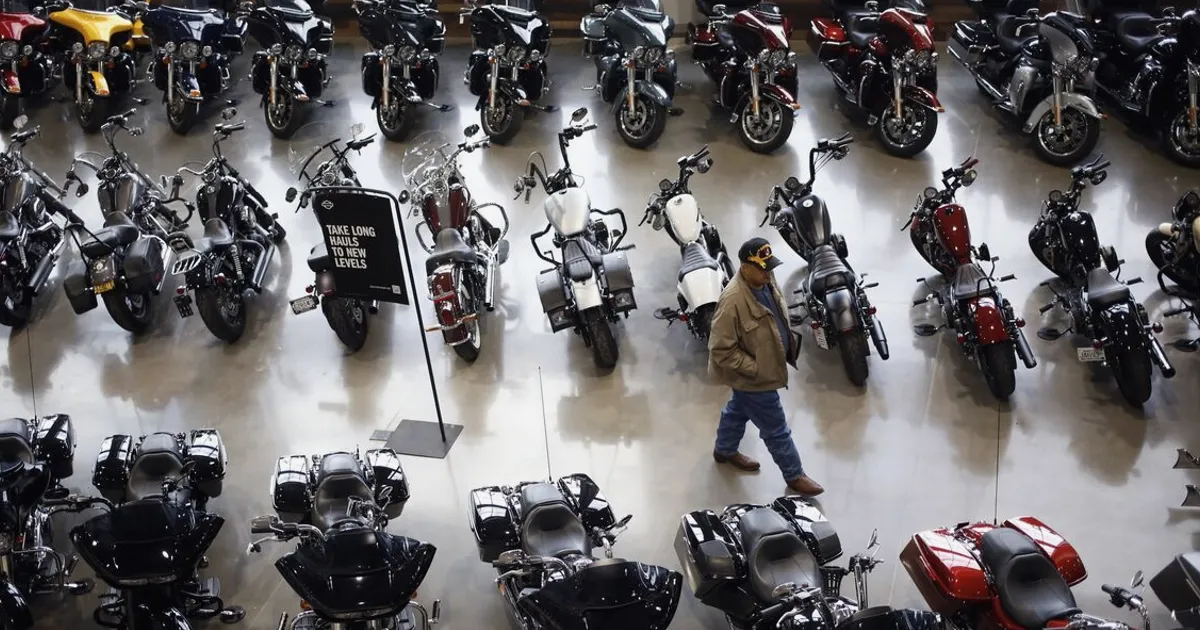
S&P Global Ratings downgraded Harley-Davidson Inc.'s credit rating to junk status on Wednesday, citing the company's plan to sell lower-cost motorcycles as a key risk to its credit profile.
The downgrade moves Harley-Davidson's issuer credit rating from BBB- to BB+, removing it from investment-grade territory. S&P highlighted that the strategic shift toward more affordable models could pressure margins and weaken the brand's premium positioning, which has long been a pillar of its pricing power. The rating agency also noted that the company faces elevated execution risk as it attempts to broaden its customer base without alienating its core ridership.
For equity investors, the junk rating signals higher perceived risk, which can increase Harley-Davidson's borrowing costs and reduce financial flexibility. This may weigh on the stock, especially if the company needs to refinance debt at higher rates. Traders can monitor NowPrice's real-time stock quotes for Harley-Davidson to track immediate market reaction. The downgrade also raises questions about the company's ability to sustain dividends or share buybacks, which are often curtailed when credit quality deteriorates.
Looking ahead, investors should watch Harley-Davidson's upcoming quarterly earnings for evidence of margin trends and sales volumes under the new strategy. Key data points include the mix of lower-cost versus premium models, as well as any updates on refinancing plans. The broader motorcycle market and consumer spending trends will also be critical, as a slowdown could amplify the risks flagged by S&P.