




India's Steel Boom Differs From China's Infrastructure-Led Growth
India's steel demand growth is set to be driven by domestic infrastructure spending rather than export-led manufacturing, marking a shift from China's previous boom and offering a different risk profile for global steel equities.
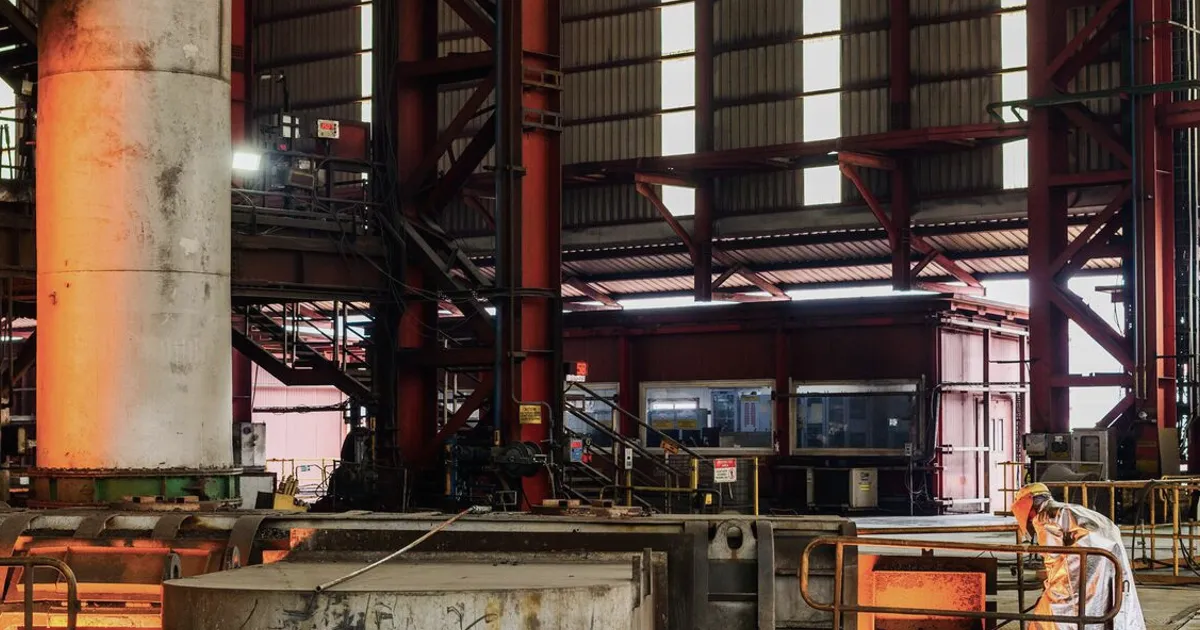
India is emerging as the next major growth market for steel, but its expansion will be fundamentally different from the boom that China experienced over the past two decades. While China's steel demand was largely fueled by export-oriented manufacturing and massive infrastructure projects, India's growth is expected to align more closely with domestic spending on infrastructure, including railways, highways, and urban development. This shift in the demand driver has significant implications for global steel markets and the companies that supply them.
For equity traders, the distinction matters because it affects the earnings visibility and cyclicality of steel producers. India's steel demand is less exposed to global trade cycles and more tied to domestic fiscal policy and government spending. This could lead to more stable earnings for Indian steel companies compared to their Chinese counterparts, which faced volatile export markets. However, the pace of India's infrastructure buildout will depend on government budget execution and private investment, which can be uneven. Investors should monitor India's fiscal deficit targets and infrastructure spending allocations in upcoming budgets. NowPrice's real-time stock quotes allow traders to track the latest moves in steel equities across global exchanges.
Looking ahead, key data points to watch include India's monthly steel production and consumption figures, as well as government announcements on infrastructure projects. The trajectory of global steel prices, influenced by Chinese demand and supply dynamics, will also play a role. If India's domestic demand accelerates, it could support higher steel prices and margins for local producers like Tata Steel and JSW Steel. Conversely, any slowdown in government spending or a global recession could weigh on the sector. Traders should also keep an eye on trade policies, as India has imposed tariffs on steel imports to protect domestic industry, which could affect international steel flows.