




Indonesia Selloff Lures $29 Billion South African Money Manager
A South African money manager with $29 billion in assets sees a buying opportunity in Indonesian assets after a selloff accelerated by Iran war fears, signaling potential bargain hunting in emerging markets.
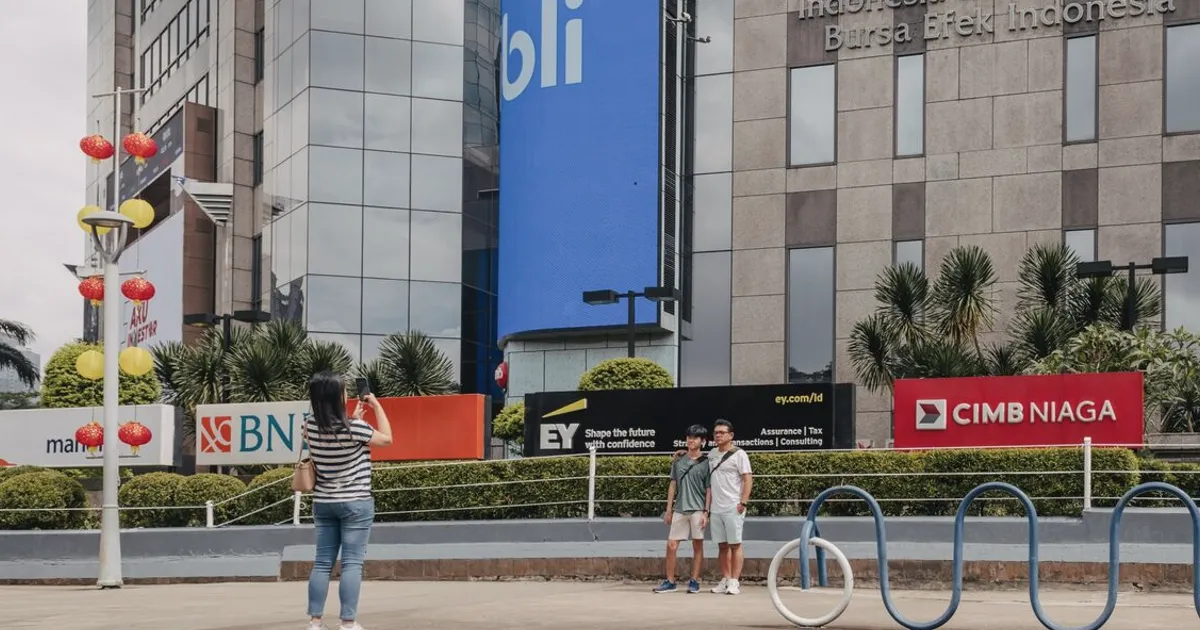
A South African money manager overseeing $29 billion in assets has entered the Indonesian market, viewing the recent selloff as a buying opportunity. The selloff, which intensified amid geopolitical tensions related to the Iran war, has depressed asset prices in the Southeast Asian economy. The manager's entry comes as Indonesia's equity valuations have become more compelling: the Jakarta Composite Index's forward P/E has fallen to around 13x, below its 5-year average of 15x, while the earnings yield gap versus 10-year U.S. Treasury yields has widened, aligning with the Fed model that favors stocks when earnings yields exceed bond yields. Additionally, Indonesia's buyback yield has ticked up as companies repurchase shares, and options-implied volatility on the iShares MSCI Indonesia ETF (EIDO) has spiked, suggesting that the selloff may have been overdone.
The move by a significant foreign institutional investor could signal a turning point for Indonesian equities and bonds, which have been under pressure from risk aversion. For traders tracking emerging markets, the entry of a large player like this often suggests that valuations have become attractive relative to fundamentals. Breadth indicators within the Indonesian market have shown improvement, with the percentage of stocks above their 50-day moving average rising from oversold levels. Sector rotation is also evident, with financials and consumer staples gaining favor over commodity-exposed names. Investors can monitor the impact on Indonesian stocks and the rupiah using NowPrice's live dashboard for real-time price action.
Market participants will watch for follow-up flows from other foreign funds, as well as any stabilization in Indonesian assets. Key data to watch include Indonesia's trade balance and central bank policy decisions, which could further influence investor sentiment. The broader emerging market space will also be sensitive to developments in the Iran situation and global risk appetite. A sustained improvement in risk sentiment could trigger additional inflows, while any escalation in geopolitical tensions may renew selling pressure. The South African manager's entry serves as a potential catalyst for a broader reassessment of Indonesian risk premiums.