




Korean Won Holds Ground Despite Foreign Equity Outflows
The Korean won has shown resilience against significant equity sell-offs and foreign outflows, supported by government interventions and National Pension Service hedging.
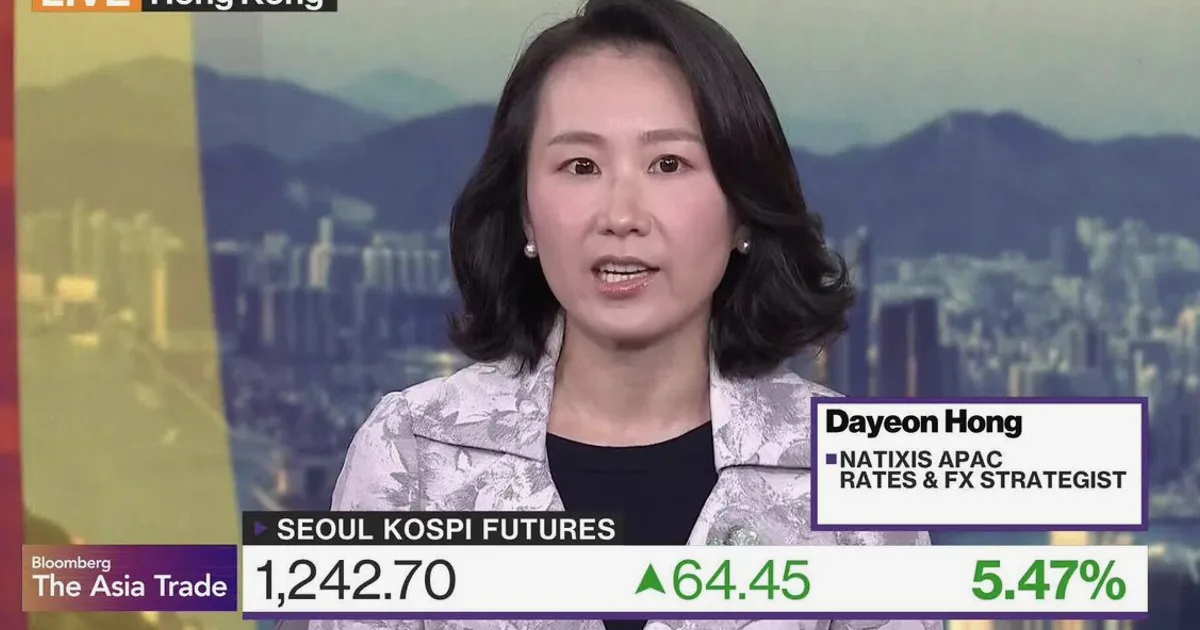
The Korean won has held its ground despite substantial foreign equity outflows, according to Natixis strategist Dayeon Hong. Government interventions and hedging by the National Pension Service have supported the currency's appreciation, even as equity markets experienced significant sell-offs.
Foreign investors have been pulling capital from South Korean equities, a trend that typically pressures the local currency. However, the won's resilience reflects a combination of official sector support and strategic hedging by the National Pension Service, which has helped offset the selling pressure. For equity traders, the won's stability reduces one layer of uncertainty for foreign investors in Korean stocks, though persistent outflows could eventually weigh on sentiment. NowPrice's real-time data shows the won trading near recent highs against the dollar, providing a reference for those monitoring currency risk.
Looking ahead, market participants will watch for further intervention signals from the Bank of Korea and the Ministry of Economy and Finance. The pace of foreign equity flows will remain a key driver, as will any shifts in global risk appetite. Data on South Korea's current account and export performance in the coming weeks will also offer clues on the won's trajectory. If outflows intensify, the authorities may need to step up their support to maintain stability.