




Lilly Weight Loss Drug Sets High Bar for Obesity Race
Eli Lilly's weight-loss drug sets a new efficacy benchmark in the obesity market, intensifying competition among GLP-1 developers and pressuring rivals to demonstrate superior outcomes.
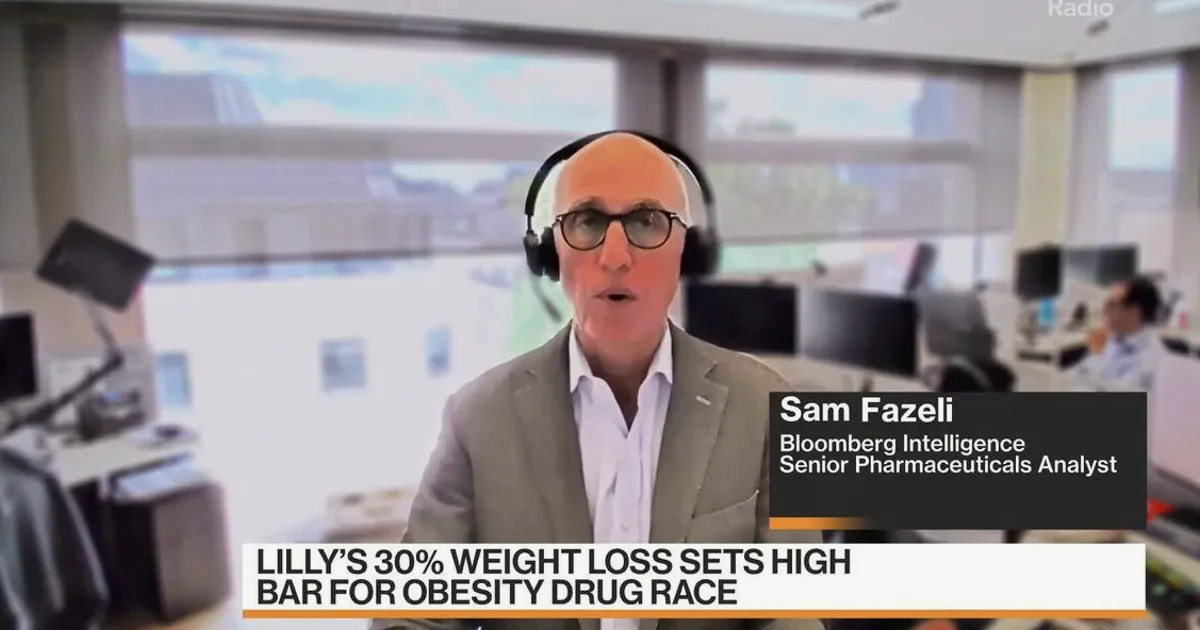
Eli Lilly has set a new efficacy benchmark in the obesity drug race with its weight-loss therapy, raising the bar for competitors in the rapidly expanding GLP-1 market.
The company's treatment demonstrated superior weight reduction outcomes in clinical trials, positioning Lilly as a frontrunner in a sector that has attracted intense investor interest. The GLP-1 class, originally developed for diabetes, has become a multibillion-dollar opportunity as demand for effective weight management solutions surges. Lilly's data suggests its drug could capture significant market share, challenging established players like Novo Nordisk and pressuring smaller biotechs to prove their candidates can match or exceed this new standard.
For equity traders, the implications are clear: companies with strong GLP-1 pipelines may see valuation premiums, while those with weaker data could face sell-offs. The obesity market's total addressable size is estimated in the hundreds of billions, making it one of the most consequential therapeutic areas for healthcare investors. Live stock prices and charts on NowPrice show how the market is reacting to each clinical update, with Lilly shares reflecting optimism while rivals' stocks adjust to the competitive landscape.
Looking ahead, investors will focus on upcoming clinical readouts from other developers, regulatory decisions on label expansions, and pricing dynamics as more players enter the field. The ability to demonstrate not just efficacy but also safety and tolerability will be key differentiators. With Lilly setting a high bar, the next phase of the obesity drug race will likely see increased M&A activity as larger pharma companies seek to bolster their pipelines through acquisitions.