




Low Volatility Removes Urgency for Trump Strait of Hormuz Deal
The lack of market volatility is reducing political pressure on the Trump administration to finalize a deal regarding the Strait of Hormuz, a key chokepoint for global oil shipments.
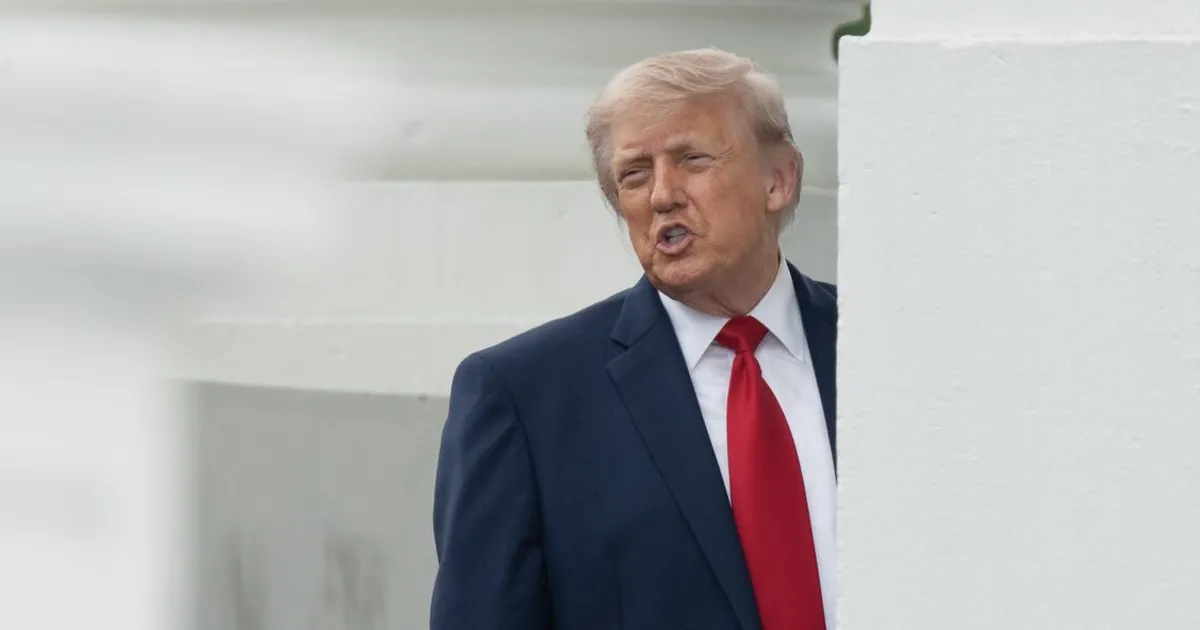
The absence of market volatility is removing a key source of pressure on the Trump administration to reach a deal on the Strait of Hormuz, according to a Bloomberg report. The lack of turbulence in financial markets means there is less urgency for policymakers to address geopolitical risks that could disrupt oil flows through the strategic waterway.
For equities traders, the calm in markets suggests that investors are not pricing in a significant risk premium for potential supply disruptions from the region. This has implications for energy stocks, which typically benefit from higher oil prices during periods of geopolitical tension. With volatility low, the energy sector may underperform relative to a scenario where a conflict or blockade threatened supply. Live stock prices and charts on NowPrice show how the market is reacting to the current environment, with crude oil futures remaining range-bound.
Traders should watch for any escalation in rhetoric or military activity near the Strait of Hormuz, as well as developments in US-Iran diplomacy. A sudden spike in volatility could quickly change the calculus for both policymakers and investors. Key levels to monitor include the VIX index for broader market fear and the spread between Brent and WTI crude futures, which could widen if supply risks increase. Any breakthrough in negotiations would likely be negative for oil prices and energy stocks, while a failure to reach a deal could keep the market on edge.