




New grads face AI double standard as employers demand skills teachers ban
New graduates face conflicting AI policies as educators ban the technology while employers increasingly require AI proficiency, adding another hurdle in a tough job market.
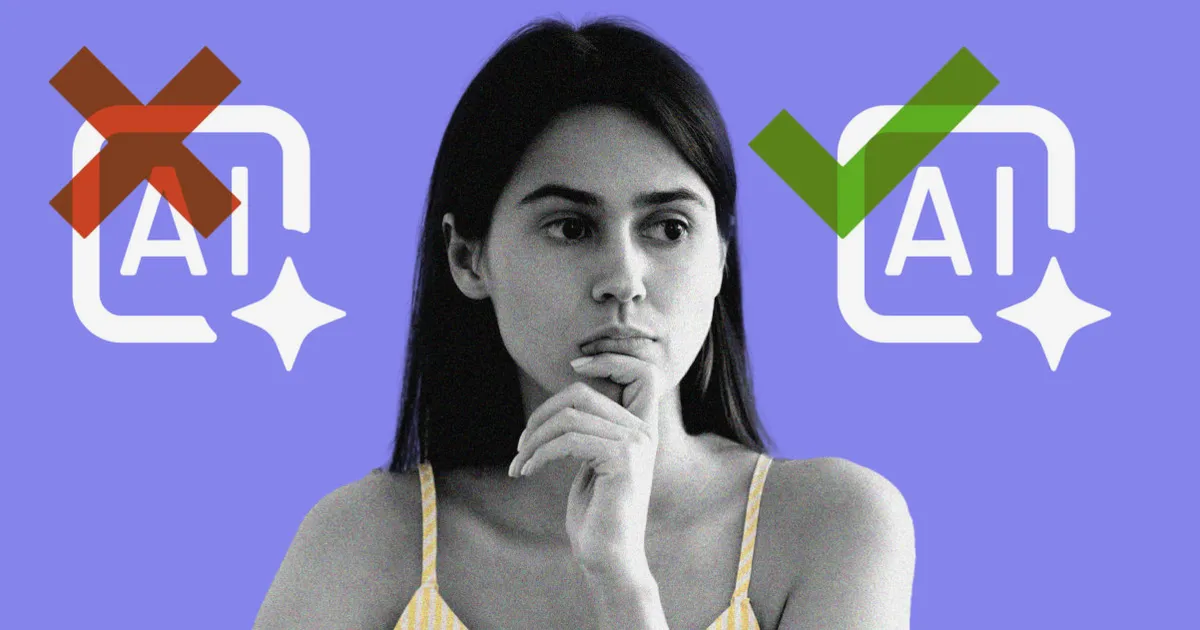
New graduates are caught in a frustrating double standard over artificial intelligence: teachers ban its use in classrooms, but employers increasingly demand AI skills in the workplace. This mixed messaging adds another challenge for Gen Z as they enter a tough job market already marked by high competition and evolving skill requirements.
The core issue stems from a disconnect between educational institutions and corporate hiring practices. Many schools have implemented strict policies against AI tools like ChatGPT, citing academic integrity concerns. Meanwhile, companies across sectors—from finance to technology—are incorporating AI into daily operations and listing AI proficiency as a key requirement in job postings. This gap leaves graduates uncertain about how to navigate AI usage, potentially hindering their job prospects. For equity traders, this trend signals a broader shift in labor dynamics: firms that successfully integrate AI may gain a competitive edge, influencing productivity and profitability. Investors watch such structural changes as they can impact sector performance, particularly in tech and professional services.
Looking ahead, the resolution of this AI double standard will depend on how quickly educational systems adapt to the evolving workplace. Policymakers and industry leaders may need to collaborate on guidelines that balance academic integrity with practical skill development. For traders, monitoring corporate earnings calls and hiring reports from major employers can provide clues about AI adoption rates and their impact on labor costs. Additionally, companies offering AI training or certification programs could see increased demand, presenting potential investment opportunities. As the debate continues, the ability of new graduates to bridge this gap will be a key metric for the future workforce's readiness in an AI-driven economy.