




Nike and Adidas Battle for World Cup Market Dominance
Nike and Adidas are intensifying their rivalry as the football World Cup approaches, with both sportswear giants vying for market share and brand visibility during the tournament.
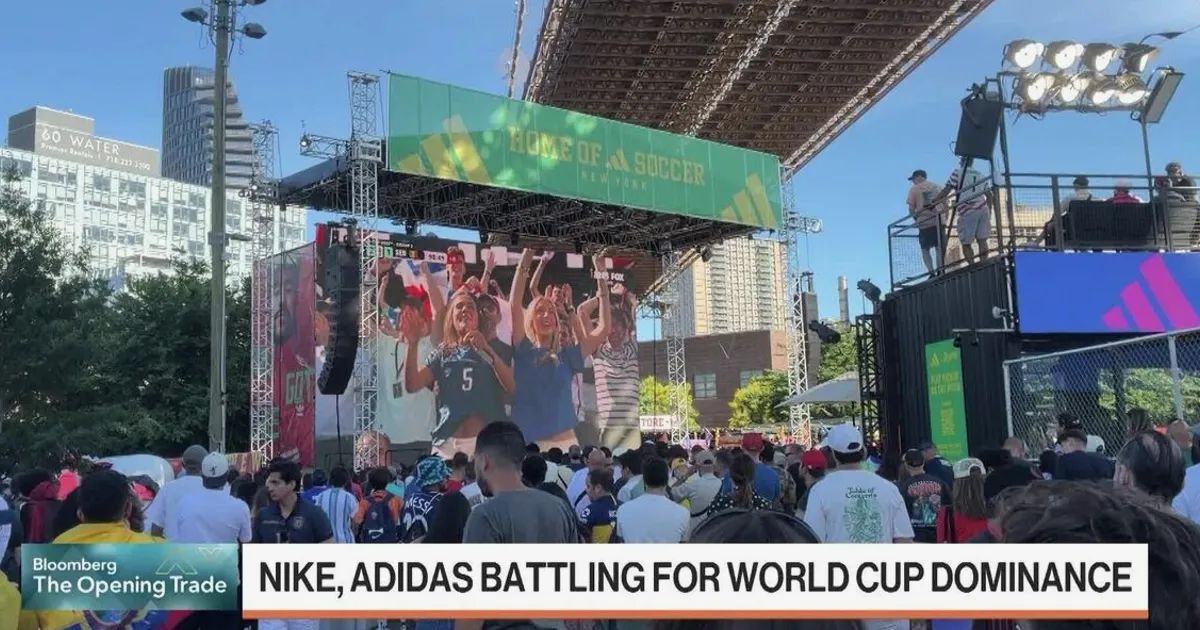
Nike and Adidas are set to intensify their long-standing rivalry as the football World Cup approaches, with both sportswear giants positioning themselves to capture market share and brand exposure during the global event.
The competition between the two companies centers on securing sponsorship deals with top national teams and players, as well as launching limited-edition merchandise and marketing campaigns tied to the tournament. Nike has traditionally focused on individual athlete endorsements, while Adidas has historically leveraged its FIFA partnership and team sponsorships. This World Cup cycle, both are expected to invest heavily in advertising and product innovation to sway consumer preference. The outcome could significantly impact their respective market positions in the sportswear sector, which has seen shifting consumer trends toward performance and lifestyle categories.
For equity traders, the World Cup represents a key catalyst for the sportswear industry, often driving short-term revenue spikes and brand momentum. Investors will be watching for updates on sponsorship wins, product sell-through rates, and regional sales data, particularly in emerging markets where football fandom is strong. Live stock prices and charts on NowPrice show how the market is reacting to developments in this competitive landscape, with both Nike and Adidas shares sensitive to tournament-related news. The broader market context includes ongoing supply chain normalization and input cost pressures, which could affect margin performance during the promotional period.
Looking ahead, the key metrics to monitor include quarterly earnings reports from both companies, which will reveal the financial impact of World Cup-related spending. Additionally, consumer sentiment surveys and retail traffic data during the tournament will provide early signals on which brand is gaining traction. The post-World Cup period will also be critical, as the companies seek to convert temporary brand buzz into sustained market share gains. Any shifts in sponsorship agreements or unexpected product performance could lead to stock volatility, making this a closely watched event for sector-focused investors.