




Poland Delays Phase Out of Wibor Loan Benchmark to 2036
Poland postponed the phase-out of the Wibor interbank benchmark for existing loans to end-2036 after commercial lenders criticized the original plan, providing temporary relief for banks and borrowers.
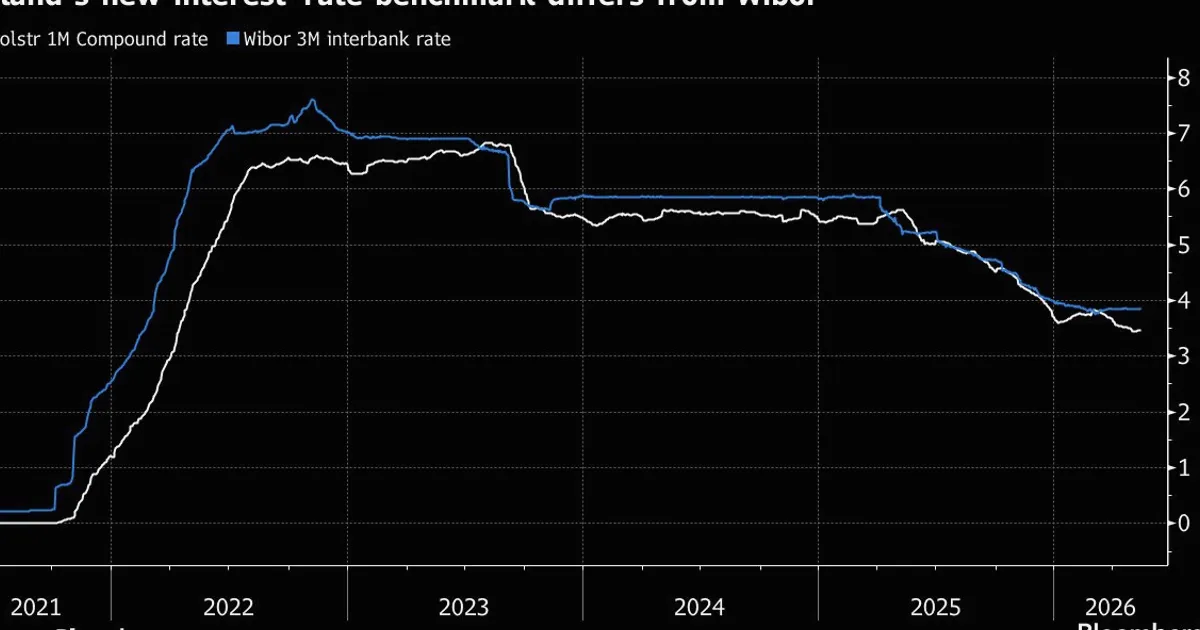
Poland has delayed the phase-out of the Wibor interbank benchmark for existing loan agreements until the end of 2036, following criticism from commercial lenders wary of a switch to a new index.
The decision postpones the transition away from the Warsaw Interbank Offered Rate (Wibor), which has been used as a reference for an estimated €600 billion in loans, including mortgages and corporate credit. The original plan had called for an earlier phase-out, but banks raised concerns about the operational challenges and potential legal risks of converting existing contracts to an alternative benchmark. The delay provides lenders and borrowers with more time to prepare for the transition.
For stock market participants, the postponement reduces near-term uncertainty for Polish banks, which are heavily exposed to Wibor-linked lending. Shares of major Polish lenders may benefit from the removal of an immediate regulatory overhang, as the transition costs and litigation risks are pushed further into the future. The delay also supports broader credit market stability by avoiding a rushed conversion of a large stock of loans. Traders can monitor the performance of the WIG-Bank index on NowPrice's stocks page for real-time pricing of Polish banking stocks.
Looking ahead, market attention will focus on the development of a replacement benchmark, likely the Polish Overnight Index Average (POLONIA) or a similar risk-free rate. The timeline extension gives the financial industry until 2036 to adapt, but the eventual transition remains a key regulatory event. Investors should watch for any updates from the Polish Financial Supervision Authority (KNF) and the Warsaw Stock Exchange regarding the new benchmark's adoption and its impact on loan pricing and bank profitability.