




Private Credit Bets on Consumer Debt Amid Rising Risks
The private credit industry is increasingly lending to consumers through buy now, pay later and other debt products, raising concerns about risk transparency as defaults may rise.
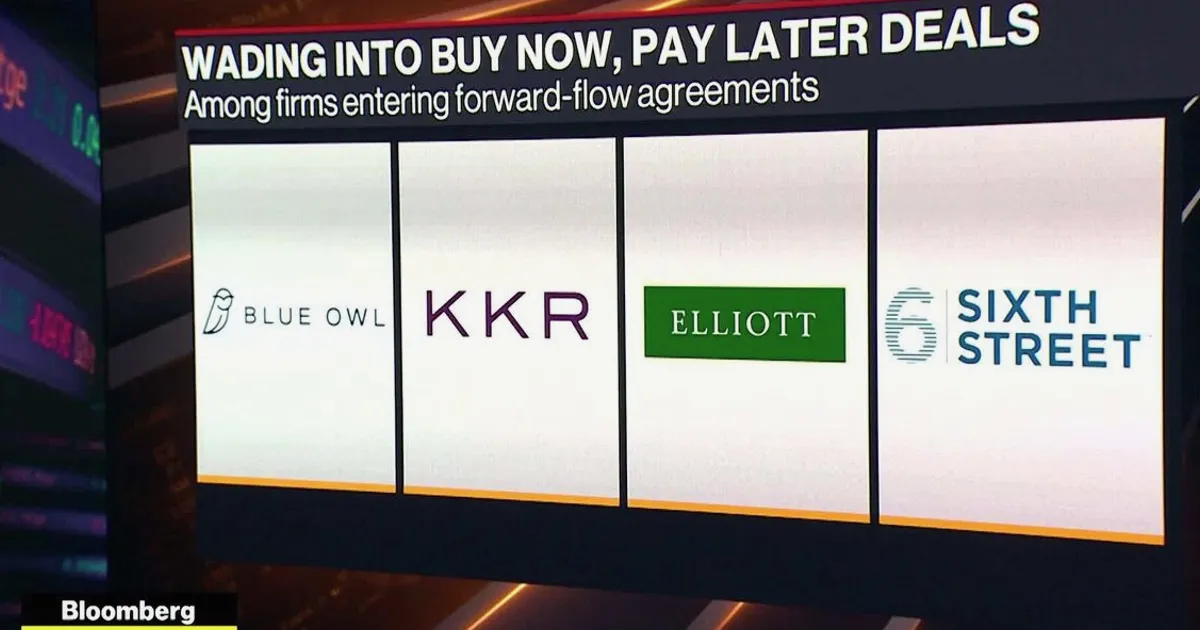
The private credit industry is increasing its exposure to consumer debt through buy now, pay later (BNPL) schemes and other lending products, a move that comes at a time when household finances are under strain from elevated interest rates and persistent inflation.
Private credit, often referred to as shadow banking, has grown rapidly by stepping in where traditional banks have retreated. Now, firms are targeting consumer debt, including BNPL loans that some critics have labeled "phantom debt" because they fall outside conventional credit reporting and tracking systems. This lack of transparency makes it difficult for investors to assess the true risk of these assets. For equity traders, the expansion into consumer lending by private credit firms could signal higher potential returns but also greater vulnerability to economic downturns. Live stock prices and charts on NowPrice show how the market is reacting to these developments in real time.
Investors should watch for upcoming consumer credit data and delinquency reports, which could provide early warning signs of stress in this segment. Additionally, any regulatory moves to increase oversight of BNPL and private credit lending would have significant implications for both the firms involved and the broader financial sector. The coming quarters will reveal whether this bet on consumer debt pays off or exacerbates systemic risks.