




RBI Funding Curbs Deal ‘Body Blow’ to Indian Prop Trading Firms
India's proprietary trading firms face a major operational overhaul after the RBI tightens funding rules, potentially reducing leverage and market liquidity.
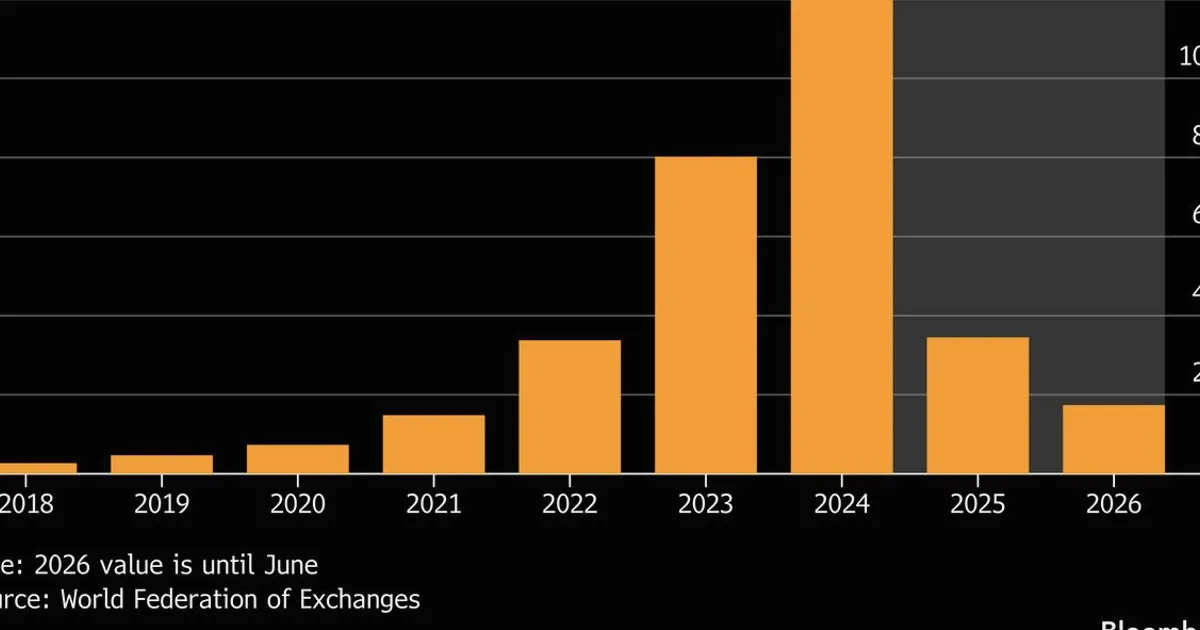
India's proprietary trading firms and stock brokers are bracing for a major overhaul of how they finance trading activity after the Reserve Bank of India (RBI) imposed stricter funding curbs.
The RBI's new regulations target the practice of banks providing funding to prop trading desks and brokers, which has been a key source of leverage for these firms. The central bank's move, described as a 'body blow' by industry participants, aims to curb speculative trading and reduce systemic risk in the financial system. Proprietary trading firms, which trade with their own capital rather than client funds, rely heavily on borrowed money to amplify returns. The new rules are expected to significantly reduce the amount of leverage available, forcing firms to either scale back their trading activities or seek alternative funding sources.
For stock market traders and investors, this development has direct implications for market liquidity and volatility. Prop trading firms account for a substantial portion of daily trading volumes in Indian equities and derivatives. A reduction in their activity could lead to wider bid-ask spreads and less efficient price discovery. Additionally, the curb on leverage may dampen speculative fervor in certain segments, potentially affecting the momentum of recent rallies. Traders can monitor real-time stock quotes on NowPrice to gauge the immediate market reaction as the news unfolds.
Looking ahead, market participants will watch for further clarification from the RBI on the implementation timeline and any exemptions. The impact may vary across different types of brokers and prop firms, with larger, well-capitalized entities better positioned to adapt. Traders should also keep an eye on the performance of banking stocks, as the curbs could affect bank lending volumes and profitability. The broader market sentiment will likely be influenced by how quickly the industry adjusts to the new regulatory landscape.