




Rivian, Tesla and the 'Holly Index': Trading the new EV Main Street battle
Tesla's strong Q2 deliveries failed to lift its stock, while Rivian's new R2 SUV targets the competitive mid-market, signaling a potential shift in the EV landscape that traders should monitor.
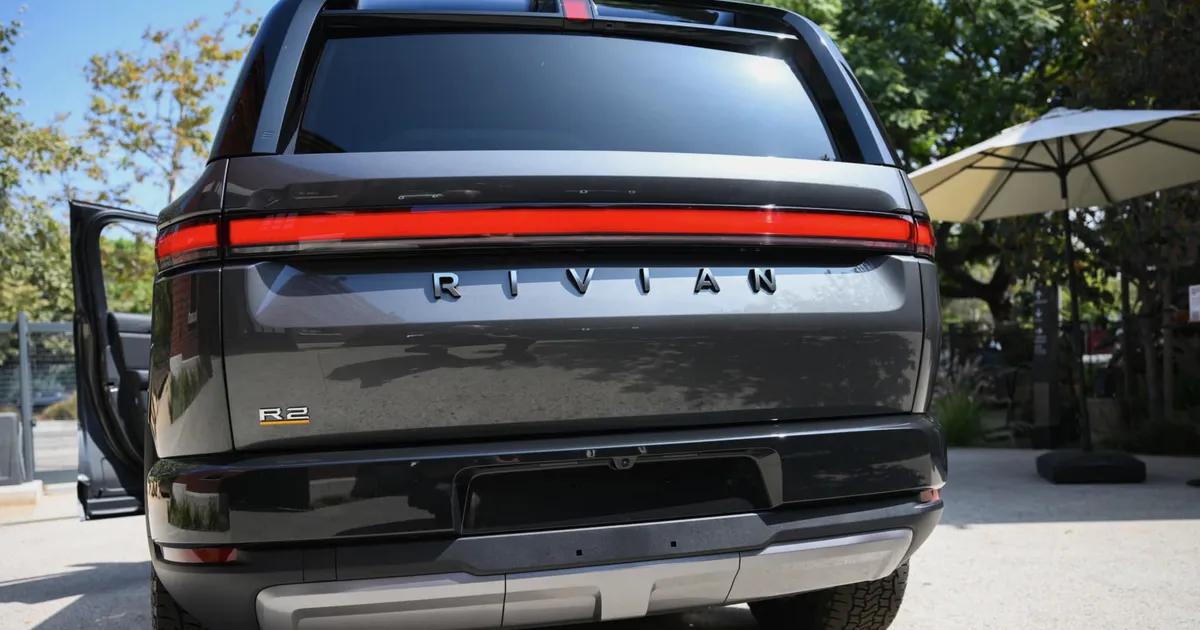
Tesla reported strong second-quarter production and delivery numbers on July 2, beating consensus estimates by 18%, but the stock failed to rally significantly. The company produced 451,758 vehicles and delivered 480,126, yet its market capitalization of $1.48 trillion — roughly 15 times trailing 12-month sales — appears to cap further upside. Meanwhile, smaller rival Rivian launched its mid-market SUV, the R2, directly targeting the segment currently dominated by Tesla's Model Y. This sets the stage for a new phase in the electric vehicle battle on Main Street, where investors are now weighing valuation against growth potential.
For stock market traders, the divergence between Tesla's operational strength and its stock price performance highlights the importance of valuation metrics in the current environment. With Tesla trading at a premium multiple relative to traditional automakers, any sign of competitive pressure from Rivian or others could trigger multiple compression. The so-called 'Holly Index' — a measure of EV market sentiment — may provide clues on how the market is pricing in this shift. Traders can check NowPrice's stocks page for real-time pricing on both Tesla and Rivian to gauge market reactions to these developments.
Looking ahead, the key focus will be on Rivian's production ramp for the R2 and Tesla's response, whether through price cuts or new model launches. Delivery numbers for the third quarter will be closely watched, as will any updates on Tesla's Full Self-Driving technology and Rivian's path to profitability. The EV sector remains highly sensitive to interest rate expectations and consumer demand trends, making upcoming economic data and Fed commentary critical for near-term price action.