




Small Caps Outperform S&P 500 by Most Since 2003
The Russell 2000 has outperformed the S&P 500 by nearly 14 percentage points in the first half of 2026, the largest lead since 2003, signaling a potential shift in market leadership.
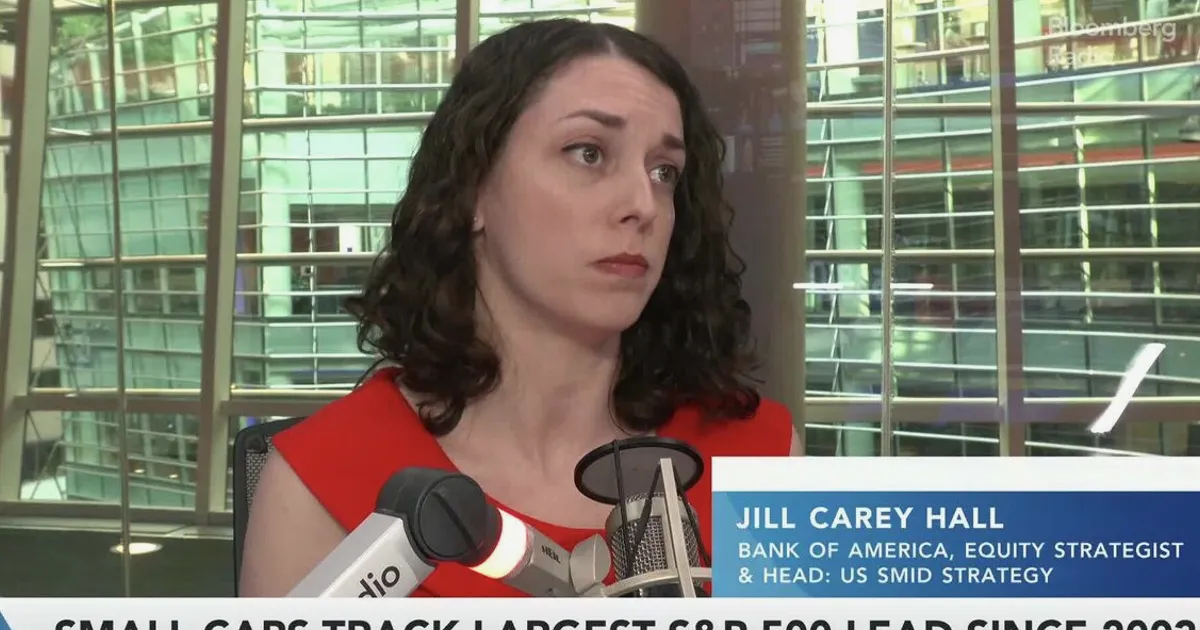
Small-cap stocks are on track to post their largest outperformance over the S&P 500 in more than two decades, according to data from Bank of America.
The Russell 2000 index has beaten the large-cap benchmark by nearly 14 percentage points during the first six months of 2026. If this gap holds through year-end, it would mark the widest annual lead since 2003. The rotation into smaller companies reflects a broadening of market participation beyond the mega-cap tech names that have dominated in recent years. Investors are increasingly pricing in expectations of lower interest rates and a more favorable economic backdrop for domestic-oriented firms, which make up a larger share of the Russell 2000.
For equity traders, the shift carries important implications. Small caps tend to be more sensitive to changes in the economic cycle and credit conditions. A sustained period of outperformance could signal that the market is entering a late-cycle phase where value and smaller companies historically gain favor. Live stock prices and charts on NowPrice show how the Russell 2000 is reacting to this rotation in real time. Bank of America's Jill Carey Hall, who oversees US SMID strategy, notes that the performance gap is drawing attention from institutional investors looking to rebalance portfolios.
Looking ahead, the key question is whether the small-cap rally can continue. The sustainability of this trend will depend on the trajectory of interest rates, corporate earnings growth, and the broader economic outlook. Traders will be watching upcoming Federal Reserve meetings and inflation data for clues on policy direction. If the economy avoids a sharp slowdown, small caps could extend their lead, but any deterioration in credit markets or a spike in recession fears would likely reverse the gap.