




Snap unveils $2,195 smart glasses; Wall Street pans move
Snap's stock fell after it unveiled $2,195 augmented-reality glasses, which analysts see as too expensive for mass adoption, raising concerns about the company's strategic direction.
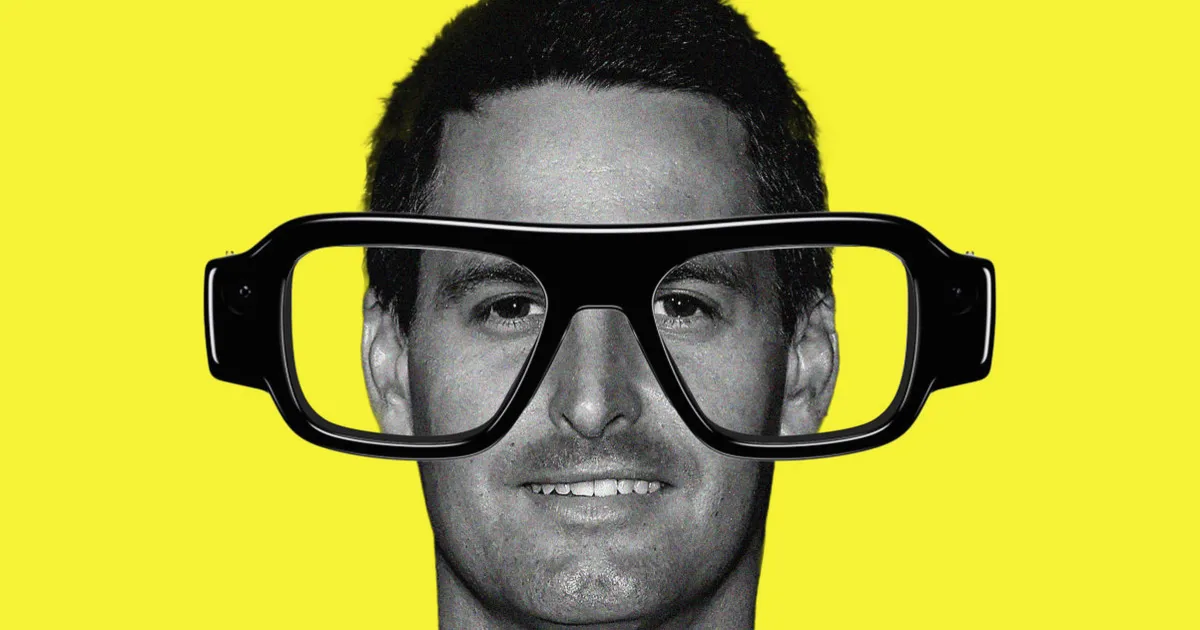
Snap's stock extended its declines on Wednesday after the company unveiled a new pair of augmented-reality glasses priced at $2,195, a move that Wall Street analysts quickly panned as a nonstarter for mass appeal.
The Spectacles 5, as the device is called, represents Snap's latest bet on hardware as a growth driver, but the hefty price tag — more than double the cost of a high-end smartphone — has drawn sharp criticism. Analysts argue that the glasses lack a clear use case for everyday consumers and that the price point will limit adoption to developers and early adopters. The negative reaction highlights the challenge Snap faces in diversifying beyond its core advertising business, which has been under pressure from competition with platforms like TikTok and Instagram. On NowPrice, live stock prices and charts show the market's immediate reaction, with Snap shares trading lower as investors weigh the risks of this capital-intensive strategy.
The broader implications for the tech sector are nuanced. While Snap's hardware push is seen as a high-risk bet, it also underscores the growing interest in augmented reality as a potential next computing platform. However, for traders, the key takeaway is the market's skepticism toward companies that deviate from their core profitable business model without a clear path to returns. Snap's forward price-to-earnings ratio, already elevated relative to peers, could face further compression if the glasses fail to generate meaningful revenue. Investors will be watching for early adoption metrics, such as pre-order numbers and developer engagement, as well as any commentary from management on the product's margin profile during the next earnings call. Additionally, the broader AR hardware space, including competitors like Meta and Apple, will be in focus as the market assesses the viability of premium-priced wearables.