




How Super El Niño Could Reshape Stock Market Sector Bets
A rare Super El Niño weather pattern is prompting stock traders to reassess sector allocations, with potential impacts on agriculture, insurance, and energy stocks.
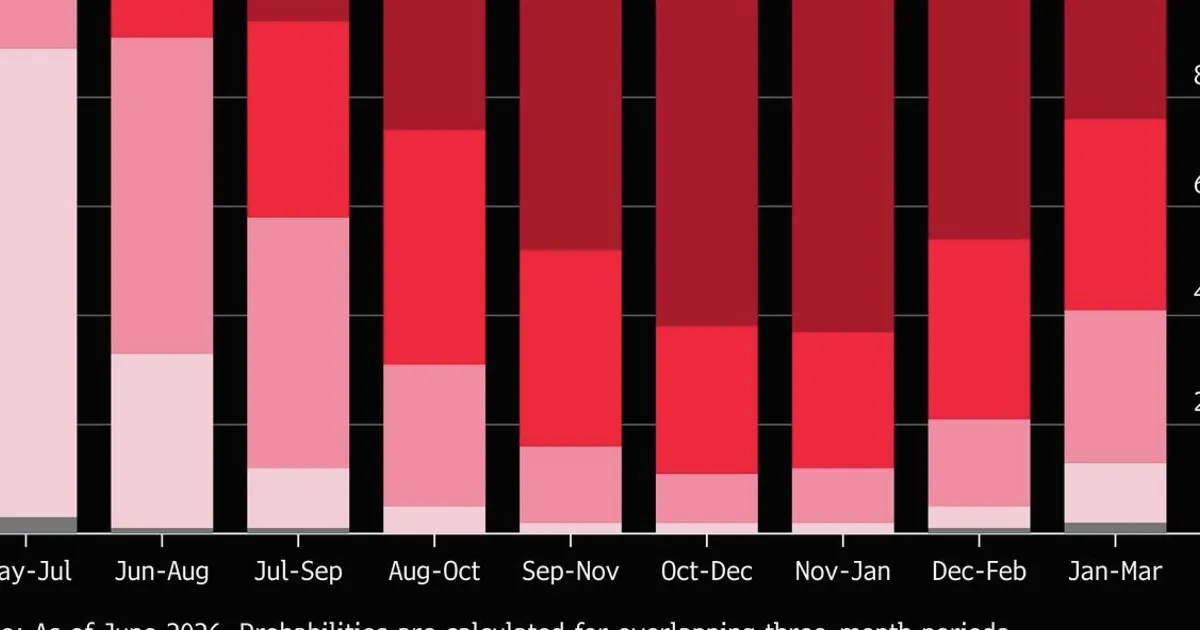
A rare Super El Niño weather event is emerging as a new risk factor for stock markets, prompting traders to reassess sector allocations as climate-related disruptions threaten to reshape earnings outlooks across multiple industries.
As geopolitical concerns such as the Iran conflict recede, investors are turning their attention to the potential economic fallout from an unusually strong El Niño pattern. This climate phenomenon, characterized by warming of Pacific Ocean waters, can trigger extreme weather globally—from droughts in some regions to floods in others. For stock traders, the implications are sector-specific: agricultural stocks may face crop yield volatility, insurance companies could see higher claims from natural disasters, and energy demand patterns might shift. Traders can monitor real-time price movements of affected stocks on NowPrice's live dashboard to track market reactions as the weather pattern develops.
The impact on equities is not uniform. Historically, El Niño events have boosted certain commodity prices like soft commodities (coffee, sugar, cocoa) while pressuring others. Insurance stocks often underperform during active El Niño years due to elevated catastrophe risk. Conversely, utilities and renewable energy companies may benefit from increased demand for heating or cooling. The current Super El Niño, being rare in intensity, amplifies these uncertainties. Market participants are watching for earnings revisions in exposed sectors and potential shifts in central bank policy if inflation pressures arise from food or energy price spikes.
Looking ahead, traders should monitor seasonal weather forecasts and their alignment with corporate guidance. Key data points include monthly updates from climate agencies on El Niño strength, as well as quarterly earnings reports from major agribusinesses and insurers. Any signs of sustained disruption could trigger sector rotation, with defensive stocks gaining favor over cyclicals. The broader market may also face headwinds if the event leads to higher volatility, as measured by the VIX. While the full economic impact remains uncertain, the Super El Niño adds another layer of complexity to an already dynamic market environment.